
Boiling Hot Water Tap
Instant Boiling Water Under Bench
Jun
Instant Boiling Water Under Bench: Your 2026 Melbourne Guide
You're probably reading this because the kettle has become one more annoying delay in a busy day. In a Melbourne home, that usually means someone wants tea, someone else wants coffee, and you need hot water right now for cooking, cleaning, or a baby bottle. In an office, it means a queue around the kitchen and a bench crowded with appliances that shouldn't need to be there.
An instant boiling water under bench system fixes that problem properly. It hides the working parts in the cabinet below the sink and gives you near-boiling water from a dedicated tap on demand. No waiting. No kettle parked on the benchtop. No repeated boil-and-reboil routine.
The appeal isn't just convenience. It's cleaner kitchen design, better use of space, safer day-to-day use, and a setup that suits how modern Melbourne homes and workplaces operate. The catch is that plenty of generic buying guides skip the local details that matter once you try to install one in a real property. Counter thickness, cabinet space, drainage, and the right electrical setup can make the difference between a smooth install and an expensive headache.
Your Guide to Instant Boiling Water Under the Bench
The old routine is familiar. Fill the kettle. Wait. Forget it. Reboil it. Wait again. That's fine until you're doing it several times a day, every day.
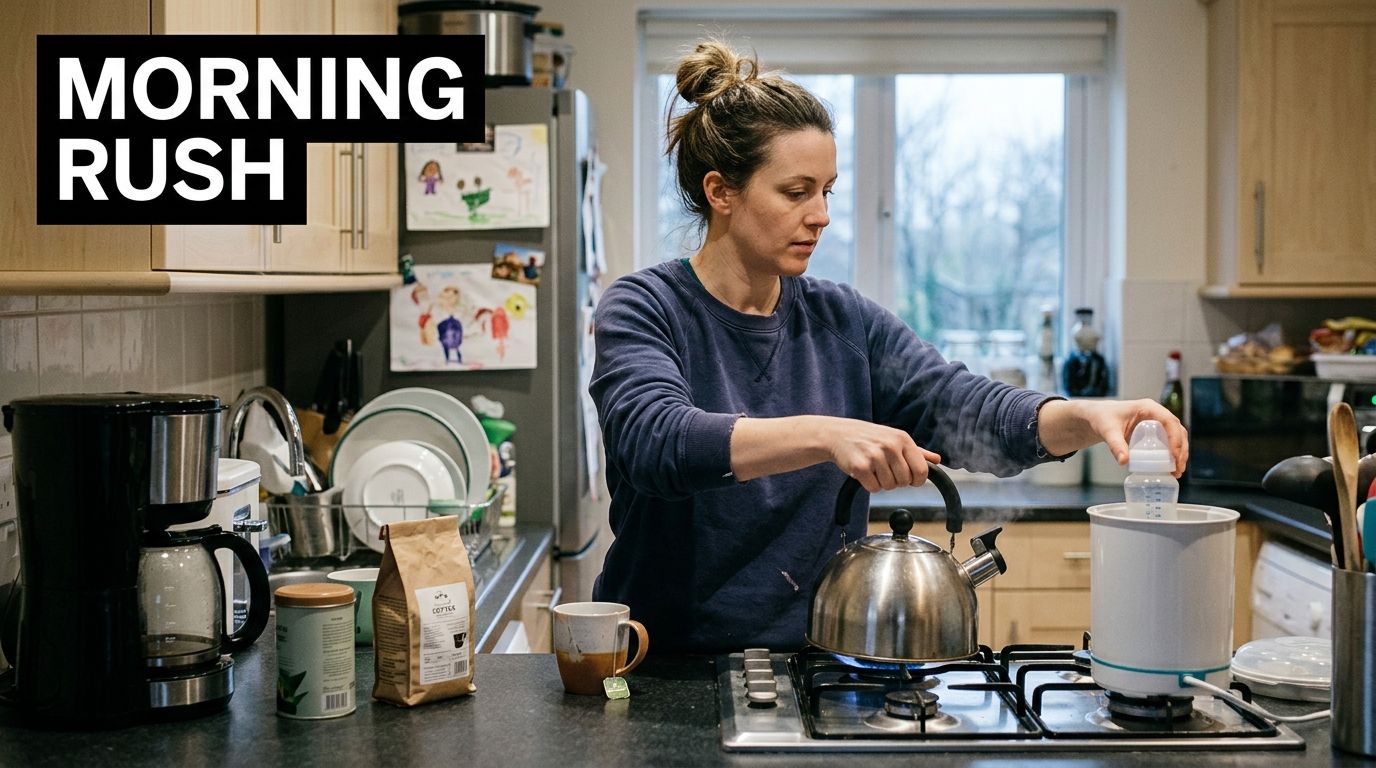
An under-bench boiling water system replaces that routine with a much cleaner setup. The tank sits inside the cupboard under your sink, the tap sits on the bench, and you get hot water when you need it. Many models also offer chilled water, so one system can replace multiple bits of clutter.
Why this upgrade makes sense
For a homeowner, the value is simple. You reclaim bench space, speed up kitchen tasks, and stop relying on a separate appliance that's always in the way.
For an office manager, the reason is even more obvious:
- Staff stop waiting around. Quick drinks and food prep become exactly that, quick.
- The kitchen looks organised. A tap-and-tank setup looks built in, not improvised.
- The system suits daily demand. You can choose compact residential models or higher-capacity units for heavier use.
Practical rule: If your kettle gets used constantly, you've already outgrown it.
The smart way to approach this isn't to ask whether the technology is worth it. It is. The actual question is which unit fits your demand, your cabinet layout, and your site conditions in Melbourne. That's where buyers usually go wrong. They focus on the tap finish and ignore the under-sink reality.
How Under-Bench Boiling Water Systems Work
Understanding the tap part is straightforward. The hidden part is what causes confusion. The easiest way to think about it is this: it's a small, dedicated hot water service for your kitchen sink, built specifically to deliver filtered near-boiling water fast.
A typical setup has two visible parts. You see the tap above the bench. You don't see the insulated tank, filter, and connecting hoses inside the cabinet below. That hidden unit stores heated water and keeps it ready for use so you're not waiting for a fresh boil every time.
The water path matters
This isn't just a tank with a fancy spout. The flow path is designed for hygiene and reliability.
Under-bench systems split the cold supply. One path feeds the tap's mixer for normal cold water. The other sends water through an integrated filter, then branches to the tap for filtered cold water and to the boiler for refilling. The boiler only draws that filtered water when the boiling tap is used, which supports hygiene and reduces unnecessary wastage, as shown in this technical demonstration of the dual-path setup.
That design is why these systems feel more refined than a wall-mounted boiler or a benchtop appliance. They aren't just about speed. They're built to keep filtered water separate where it needs to be separate and available where it needs to be available.
What sits under the sink
Inside the cabinet, you'll usually find:
- An insulated heating tank that keeps water ready at a near-boiling temperature
- A filter cartridge that helps protect the unit and improve water quality
- Flexible hoses and fittings connecting mains water, the tap, and the boiler
- Temperature controls and safety mechanisms built into the system
If you want a deeper look at the product category, this guide to under-sink hot water systems is a useful reference point.
The biggest mistake buyers make is thinking the tap is the product. It isn't. The real product is the under-bench system that supports it.
Once you understand the split water path and the hidden tank, the whole category makes sense. You're not buying a novelty tap. You're installing a compact water appliance that changes how the kitchen functions.
Key Benefits for Melbourne Homes and Offices
It is 7:45 on a cold Melbourne morning. Two people want coffee, someone needs boiling water for porridge, and the kettle is still sitting half full from yesterday. In an office kitchen, it is the same story at 10:30. A queue, a noisy appliance, and wasted minutes.
An under-bench boiling water system fixes that friction. It gives you boiling water at the sink, clears the bench, and suits the way renovated Melbourne kitchens and staff kitchens are used.
Faster, cleaner daily routines
The biggest benefit is simple. You stop waiting.
Tea, coffee, quick meals, blanching vegetables, sanitising small utensils, warming jars, and rinsing greasy cookware all get easier when boiling water is available on demand. In an office, staff move through the kitchen faster and spend less time hovering around a kettle between meetings.
That speed matters more in Melbourne than many generic guides admit. A lot of inner-suburb homes have compact kitchens, smaller sink runs, and limited power points above the bench. Removing one appliance from that zone makes the room work better straight away.
Lower waste from everyday boiling
Kettles waste energy in a predictable way. People fill them past what they need, boil the lot, then repeat the cycle later.
An under-bench unit cuts that pattern down. You dispense the water you need, when you need it. For homes, that usually means less habitual over-boiling. For offices, it means fewer small delays and less pointless reheating through the day.
The result is practical, not theoretical. Better workflow and less waste.
More usable bench space
This is one of the strongest reasons to install one, especially in Melbourne renovations where every millimetre of bench space counts.
A kettle takes up room, claims a power point, and often ends up parked exactly where you want to prep food, stack dishes, or set down groceries. An under-bench system moves the hardware into the cabinet and leaves only the tap above.
That makes a visible difference in three common Melbourne settings:
- Apartment kitchens, where bench space is tight and clutter builds fast
- Family homes, where the sink area already handles too many jobs at once
- Office kitchens, where a cleaner layout looks more professional and is easier for everyone to use
A good upgrade should solve a space problem and a workflow problem at the same time. This one does both.
Better safety around the sink
A freestanding kettle creates familiar hazards. Hot sides, trailing cords, steam bursts, awkward lifting, and accidental knocks all increase the chance of spills or burns.
An under-bench system is a tidier and safer setup because the heated water source stays fixed in the cabinet and the tap is built for controlled dispensing. That matters in homes with children, in shared office kitchens, and in fit-outs where the sink sits close to a traffic path.
Melbourne installers also need to get the details right here. Tap placement, clearance to splashbacks, bench thickness, and proper electrical isolation under the sink all affect how safe and usable the final setup feels. That is the part online tutorials usually skip.
A neater fit for modern Melbourne renovations
Under-bench systems suit the way current kitchens are designed. They work especially well in Melbourne homes with stone benchtops, integrated appliances, and custom joinery, where a cheap kettle on the surface looks out of place fast.
They also suit office fit-outs where the kitchen needs to look intentional, not improvised.
The catch is installation quality. Thick stone tops, tight cabinetry, older under-sink plumbing, and local electrical requirements can turn a straightforward product into an annoying retrofit if the installer has not dealt with Melbourne sites before. Choose the system and the installer together, not separately. That is how you get the convenience without the callbacks.
Choosing the Right Size and Capacity for Your Needs
Get the size wrong and you feel it every day. A unit that is too small slows the morning rush. A unit that is too large eats cabinet space you needed for bins, filters, or cleaning products.
In Melbourne kitchens, cabinet space is often the tighter limit than budget. Older inner-suburb homes can have shallow sink cupboards, while newer office fit-outs may look generous until the trapwork, power point, and water filter go in. Choose the system around real usage and real cabinet dimensions, not the brochure headline.
Start with how the tap will actually be used
A family kitchen usually wants fast access a few times a day. An office kitchenette gets hit in clusters. Tea break, lunch break, then another run of cups at 3 pm. That pattern matters more than the product name on the box.
Ask these questions before you compare models:
- How many people use the tap on a normal day
- Do they draw a few cups at once or keep returning all day
- Do you want boiling only, or boiling plus chilled and filtered water
- How much clear under-sink space do you have
- Will a short wait after heavy use annoy people, or is that acceptable
Answer those properly and the shortlist gets much smaller.
Home and office sizing at a glance
| Feature | Residential System | Commercial System |
|---|---|---|
| Typical demand pattern | Short bursts around breakfast, dinner, and meal prep | Repeated use across the workday |
| Main priority | Compact fit, easy access, low clutter | Faster recovery and higher output |
| Water options | Often boiling only, sometimes chilled as well | Boiling is standard, chilled is useful in shared kitchens |
| Cabinet considerations | Must work around traps, bins, and stored items | More likely to have dedicated cabinet space |
| Buying risk | Paying for capacity you will never use | Under-sizing and creating queues |
That is the buying decision in plain English. Match the unit to the number of users and the timing of demand.
What capacity means in real life
“Cups per hour” is a useful guide, but people often read it the wrong way. It describes output over time and recovery after the first few draws. It does not mean the unit can deliver every cup instantly with no slowdown.
For a home, compact size and steady performance usually matter more than high output. For a workplace, recovery rate matters more because several people may use the tap back-to-back. If you are planning a renovation, our guide to under-sink boiling water unit installation will help you connect capacity planning with the cabinet and service space the unit needs.
Dual-function systems also change the sizing decision. If one tap is expected to cover boiling drinks and cold filtered water, you need to consider both habits together. That is often the right call in Melbourne offices where bench space is tight and managers want one neat fixture instead of multiple appliances.
The local sizing mistake generic guides miss
Bench and cabinet constraints can rule out an otherwise suitable unit. Thick stone benchtops may limit your tap choices. Tight cabinetry can force a smaller tank. Some offices also need capacity that suits staff peaks without triggering electrical upgrade surprises later.
That is why sizing and installation should be considered together. A model that looks perfect online can become the wrong choice once you check cabinet depth, tap hole position, and available power under the sink. If you are weighing hot water options as part of a broader renovation, this expert advice for Reno water heater installation is a useful comparison point.
My recommendation
Choose a residential unit for households and small staff kitchens where use comes in waves. Choose a commercial unit for shared workplaces where repeated demand is normal and waiting for recovery will frustrate people.
Then check the cabinet before you buy. In Melbourne, that one step avoids a lot of expensive backtracking.
Navigating Installation Plumbing and Electrical Needs
Generic guides usually let people down. They show a neat product photo, mention “easy installation”, and skip the site conditions that control whether the job goes smoothly.
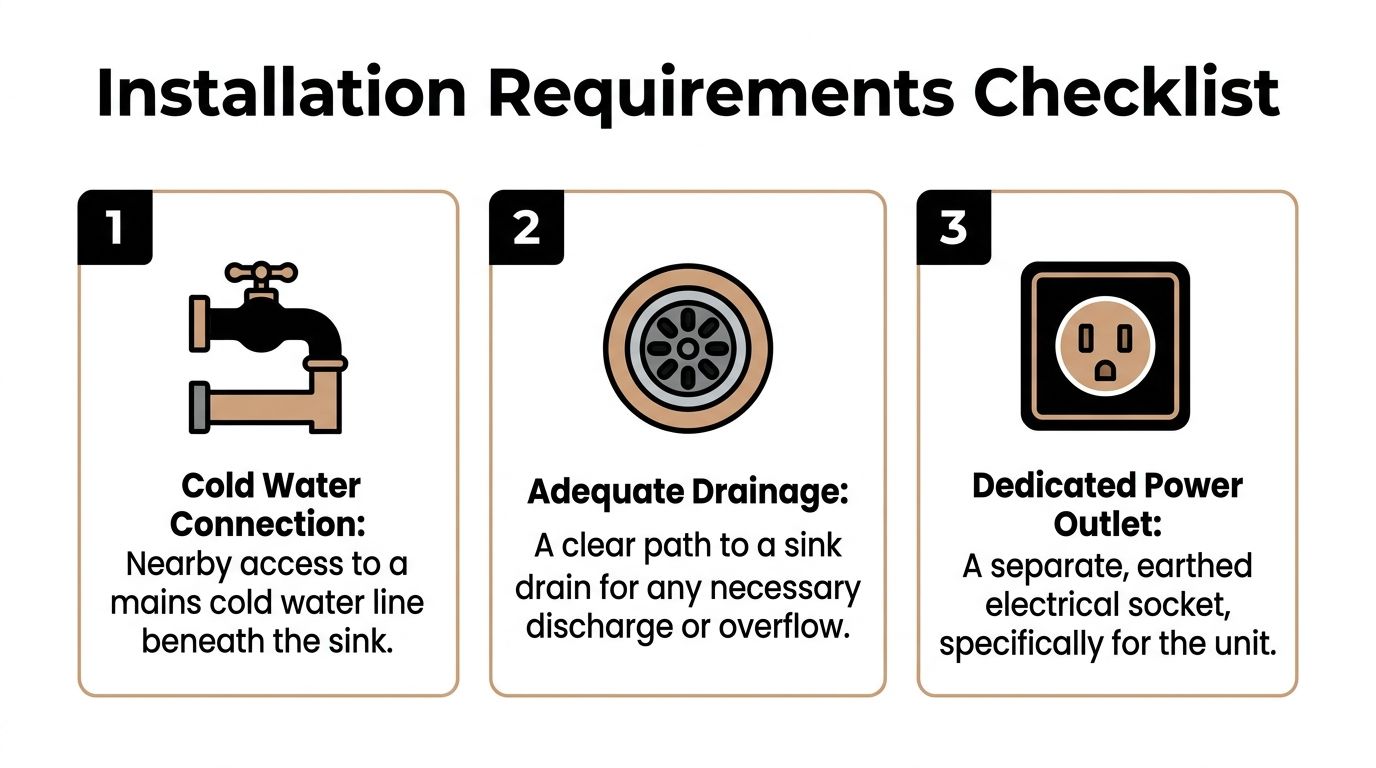
In Melbourne homes, three basics are essential. You need a cold water connection under the sink, a workable drainage arrangement where required, and the right power supply in the cabinet area. Miss one of those and the install becomes a workaround job. Workaround jobs are where trouble starts.
The local details people miss
A 2025 survey by the Master Plumbers Association of Victoria found that 72% of tradespeople in Melbourne reported confusion about local installation nuances for under-bench units, including 3-inch counters and dedicated 15A outlets, according to this installation reference video. That should tell you something. Even tradespeople can get caught out if they treat these systems like a standard tap swap.
Common Melbourne issues include:
- Counter thickness problems where the tap hardware doesn't suit the benchtop without adjustment
- Crowded sink cabinets already occupied by bins, traps, filters, or cleaning storage
- Incorrect power access when there's no suitable dedicated outlet below
- Poor tank placement that makes servicing harder than it needs to be
If the installer doesn't ask about cabinet clearance, power, and bench thickness before arriving, they're guessing.
What to check before you buy
Walk to the sink and inspect the cabinet properly. Don't eyeball it from the doorway.
- Check the cold line. There needs to be practical access beneath the sink.
- Look at drainage and overflow needs. Some layouts are straightforward. Others need more planning.
- Confirm the power arrangement. This is not optional.
- Measure around the trap and stored items. A tank can't occupy the same space as everything else.
For a broader safety mindset around appliance installation, this article on expert advice for Reno water heater installation is useful because it reinforces a principle that applies here too: electrical and plumbing appliance work needs correct planning, not shortcuts.
If you're comparing site requirements in more detail, this guide to under-sink boiling water unit installation covers the practical checklist buyers should think through before booking the job.
The takeaway is simple. Under-bench units are compact, but they're not plug-and-play in the lazy sense. They need a compliant, well-planned install. Do that properly and the system disappears into daily life for the right reasons.
Filtration Maintenance and Troubleshooting Tips
If you want your system to perform well for years, treat the filter as part of the appliance, not an optional extra. Filtration affects taste, but it primarily helps protect the internal components from the kind of build-up that shortens service life and causes inconsistent performance.
A lot of owners only think about maintenance once the tap sputters or the temperature feels off. That's backwards. The smarter approach is routine replacement and basic checks before symptoms become faults.
Filtration is protection
The boiler side of the system relies on clean incoming water. When the filter does its job properly, the unit has a better chance of staying stable and efficient over time.
If you're still comparing filter types and priorities, this guide with tips for choosing water filters is a practical starting point. It's worth understanding what a filter is meant to do before you choose a replacement on price alone.
For owners using Zip systems, this page on Zip filter replacement is relevant when it's time to match the cartridge to the actual unit.
Simple maintenance habits that matter
You don't need an elaborate maintenance routine. You do need consistency.
- Replace filters on schedule. Waiting until water quality drops is leaving it too late.
- Keep the under-sink area clear. Crushed hoses and crowded tanks create avoidable issues.
- Watch for changes in flow. Slower dispensing can point to a filter or supply issue.
- Pay attention to noise changes. A system that suddenly sounds different is worth checking.
A well-maintained unit is boring in the best way. It just works.
Basic troubleshooting before calling for service
Some problems are minor and easy to assess:
- Sputtering water can point to air in the line or recent filter work.
- Temperature inconsistency may suggest a filter issue, supply issue, or a control setting that needs checking.
- Reduced flow often starts with the filter or a restriction in the line.
- Leaks under the sink need immediate attention. Don't ignore drips around fittings or hoses.
If the problem involves electrical supply, repeated faults, visible leaks from the unit, or persistent performance drops, stop experimenting and book service. Boiling water systems are straightforward to own, but they still deserve proper diagnosis when something isn't right.
Your Melbourne Partner for Supply Installation and Service
It usually gets real at quote stage. The tap looks great online, then you find out your stone benchtop is thicker than expected, the cabinet is tighter than it looked, or the powerpoint under the sink is in the wrong spot for a compliant install. That is the part generic buying guides skip, and it is exactly why local advice matters in Melbourne.
Choosing the unit is only half the job. The better decision is choosing a system that fits your cabinetry, matches your daily use, and can be installed properly under Victorian plumbing and electrical requirements.
Some homes need a compact unit tucked into a standard kitchen cabinet. Some offices need higher output so staff are not lining up at 8:30 with mugs in hand. Some sites also want chilled drinking water from the same setup. Models in the Zip CW450 class show how much performance can fit under the bench, but the main question is whether your site has the space, ventilation, water feed, drainage arrangement, and electrical provision to support that kind of unit cleanly.
That is where a Melbourne specialist earns their keep. Older inner-west homes often have awkward under-sink layouts, limited clearance, and retrofitted cabinetry. Newer office fit-outs can have strict joinery dimensions and building management rules around electrical work. Counter thickness also matters more than people expect, because not every tap assembly suits every benchtop without the right parts or planning.
Ring Hot Water supplies and services under-sink boiling taps, chilled systems, filters, spare parts, and commercial units across Melbourne, including Sunshine, Yarraville, and Footscray. That matters because these are installed appliances, not box-store purchases. A good supplier helps you choose the right unit, checks the practical constraints before installation day, and remains useful when you need service or replacement parts later.
If your current setup means kettles on the bench, wasted time, and an office kitchen that slows everyone down, fix the root problem. An under-bench system gives you faster access to hot water, a cleaner bench, and a kitchen that works properly.
If you're ready to sort out instant boiling water under bench for your home or workplace, talk to Ring Hot Water. You can compare options and get advice on supply, installation, servicing, and replacement parts for Melbourne sites.

