
Boiling Hot Water Tap
Insinkerator Tap
Jun
Choose Your Insinkerator Tap: 2026 Guide for Australia
A lot of people start looking at an Insinkerator tap after getting fed up with the same small annoyances. The kettle lives on the bench full-time. Someone's always waiting for it to boil. In an office kitchen, it gets hammered all morning. At home, it adds clutter, steam, noise, and one more appliance to clean around.
That's usually the moment the upgrade starts to make sense. You want hot water where you use it, without dragging a kettle in and out of the routine all day. You also want the kitchen to look cleaner and work better, especially if you're already improving the space with things like storage, new joinery, or Melbourne kitchen repaints.
The Modern Kitchen Upgrade That Replaces Your Kettle
An Insinkerator tap changes the workflow more than one might expect. Instead of filling a kettle, waiting, pouring, then putting it back somewhere on the bench, you use a dedicated tap at the sink and get near-boiling water straight away. That matters in real kitchens because the value isn't only speed. It's fewer objects on the benchtop, less interruption, and a setup that feels built into the room rather than added on later.
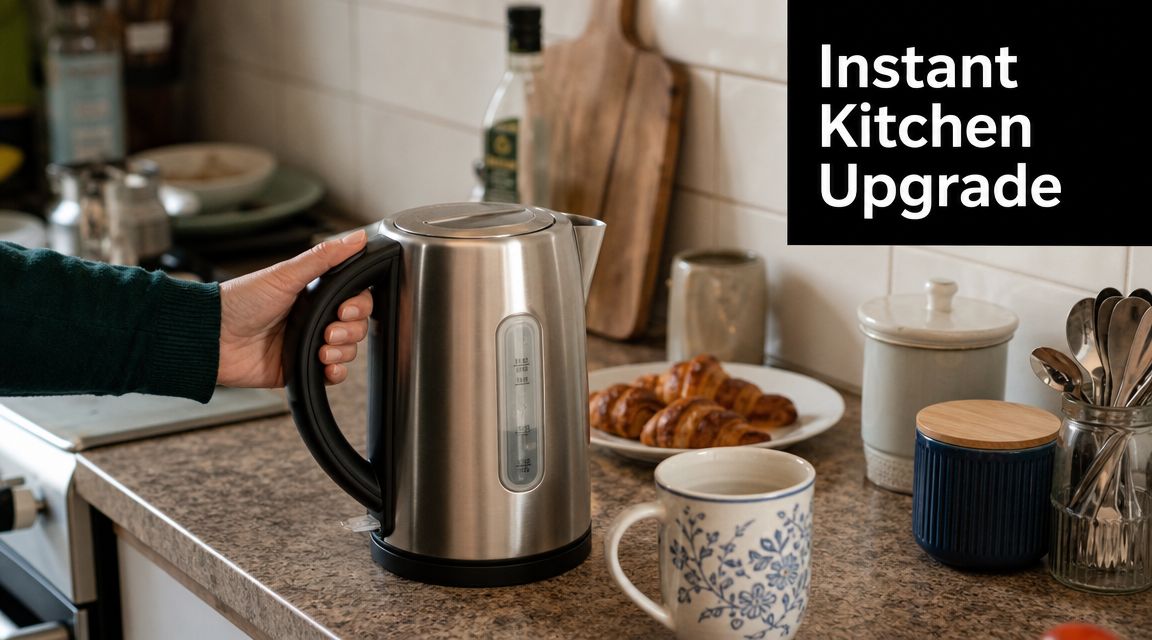
I see this come up most often in two places. First, compact Melbourne kitchens where every bit of bench space counts. Second, shared kitchens in offices, studios, and consulting rooms where people want fast hot drinks without the usual kettle traffic jam.
What changes day to day
The appeal is simple:
- The bench clears up because the kettle no longer needs a permanent spot.
- The sink becomes the hot water station for tea, coffee, quick food prep, and rinsing small items.
- The kitchen looks more organised because the working parts are mostly hidden under the sink.
For homeowners, that often pairs well with a broader kitchen tidy-up. For office managers, it's more about function. Fewer loose appliances, less mess around the tea point, and a cleaner setup for staff and visitors.
A lot of buyers start with a broad search, then realise there's a big difference between generic instant taps and a proper under-sink system. If you want a useful overview of that category before choosing a model, this guide on instant hot water tap options is a practical place to start.
Practical rule: If your real goal is to remove the kettle from everyday use, don't judge the tap by looks alone. Judge it by under-sink fit, service access, and whether the kitchen routine actually improves.
How an Insinkerator Tap Delivers Instant Hot Water
The speed comes from stored heated water, not from flash-heating at the moment you open the tap. That distinction matters because it explains both the convenience and the limits of the system in real kitchens.
The fitting on the benchtop is only one part of the setup. Under the sink, a compact tank keeps a small volume of water at near-boiling temperature so it is ready for short, frequent use. On some models, a filter sits in the supply line as well, which improves taste and adds another service item to allow space for.
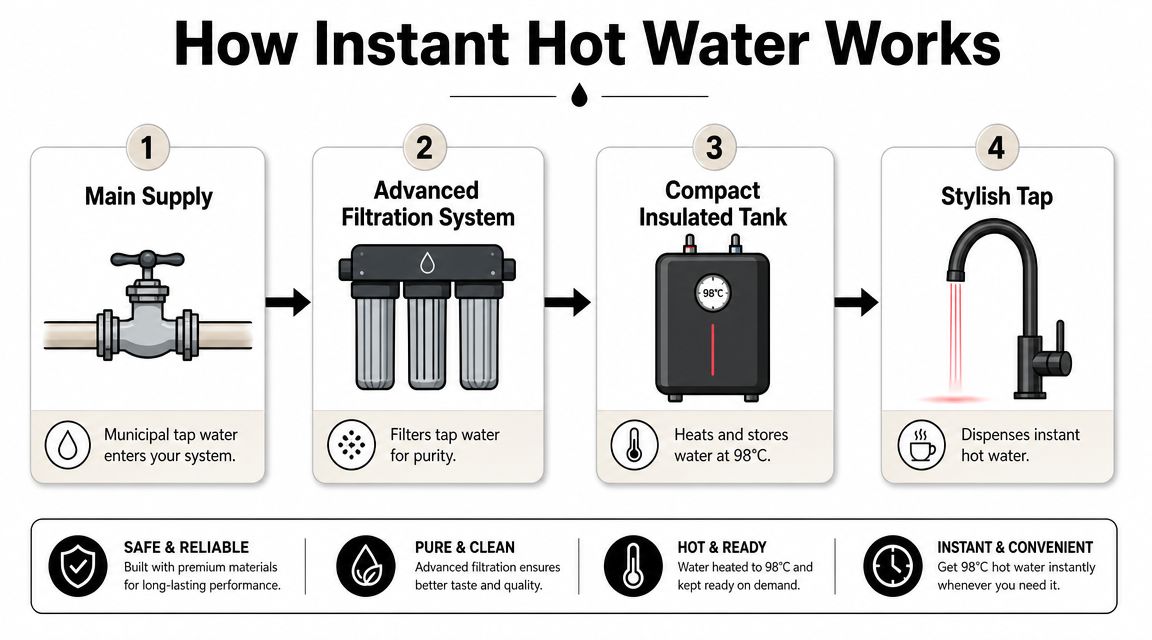
The three parts that matter
The tap on the benchtop
This is the user side of the system. Depending on the model, it may deliver only near-boiling water or combine that with standard hot and cold functions.The under-sink tank
This is what makes the tap feel instant. One AU/NZ specification sheet for the NeoTank describes a 2.5-litre stainless-steel tank with an adjustable temperature range of 88°C to 99°C, in a compact format that can suit many cupboards but still needs careful measuring before install, especially in tighter Melbourne cabinets with bins, traps, and power points competing for the same space (Insinkerator NeoTank specification sheet).The filter or water treatment side
Filtered models treat incoming water before it reaches the tank and outlet. That helps with taste, and in practice it also affects maintenance intervals and long-term performance.
Here's a quick visual explanation before going further.
Why it feels instant
A properly installed Insinkerator system keeps heated water ready in reserve. Open the handle and that stored water is delivered straight away, which is why making tea or filling a mug is much faster than waiting for a kettle cycle.
That does not mean unlimited output. After repeated large draws, the tank needs time to recover. In a home kitchen, that usually suits the way people use it. Cup after cup, quick cooking water, or a fast rinse. In an office tea point with constant back-to-back use, recovery time becomes part of the buying decision.
This is also why model choice and installation quality affect day-to-day satisfaction more than many buyers expect. A tap that looks right on the bench can still be the wrong fit if the cupboard is cramped, the power supply is awkward, or the household expects full kettle volumes again and again. If you are comparing combined mixer options, this guide to the Insinkerator 3N1 hot water tap explains how that format works in practice.
For Melbourne homes, the practical takeaway is simple. Treat it as a dedicated sink-side hot water appliance with a compact storage tank, not as a whole-of-kitchen boiler. Set up properly, it gives fast, reliable near-boiling water for the jobs people ask about most. Installed poorly, or chosen without checking cupboard space and usage patterns, it becomes an expensive compromise.
Choosing the Right Insinkerator Model for Your Needs
A family in a Melbourne renovation usually asks the same question after the benchtop goes in. Do we add a second small tap for near-boiling water, or replace the main mixer with one fitting that does the lot? The right answer depends less on appearance and more on how the sink gets used every day, how much bench space is available, and whether the cabinet will still be practical to service in five years.
Choose the model by routine, not by brochure photos. Households making a few hot drinks a day often suit a different setup from a staff kitchen with constant use, and both are different again from a design-led renovation where every tap hole matters.
Match the tap to the job
Three common buying patterns come up again and again:
Homeowners replacing the kettle habit
A dedicated near-boiling tap or a 3-in-1 model usually makes sense. The decision comes down to whether the existing mixer is staying.Office or staff kitchen users
Reliability and simple operation matter more than style. If several people will use it, the controls need to be obvious and the recovery time needs to suit the volume.Renovators trying to reduce sink clutter
Combined models are attractive because they keep the bench cleaner, but they also make the tap choice more important. If one fitting handles everything, it has to suit the whole household.
Insinkerator Tap Model Comparison
| Model | Functions | Best For |
|---|---|---|
| H3300 type | Dedicated near-boiling water tap | Homes or offices that want a separate hot water point without changing the main mixer |
| HC3300 type | Near-boiling plus standard hot and cold at the same fixture style | Kitchens wanting broader functionality in one coordinated tap setup |
| 3N1 type | Mixer-style solution combining standard kitchen use with near-boiling water | Renovations where reducing tap clutter is a priority |
| 4N1 type | Multi-function tap format for buyers wanting the sink area to do more with one fitting | Premium kitchen upgrades and design-led renovations |
The table helps narrow the field. The ultimate decision comes from trade-offs at the sink.
A dedicated tap is often the safest retrofit. It leaves the main mixer alone, keeps servicing straightforward, and works well if there is already a spare hole in the sink or benchtop. It also suits older Melbourne homes where the kitchen layout does not justify changing every fixture just to get filtered near-boiling water.
Combined models look tidier, but they ask more of the installation and more of the user. If children, guests, or office staff will use the kitchen, the controls need to be intuitive. If the tap body is doing several jobs, a future repair can also be more disruptive than swapping out a separate mixer and hot tap arrangement.
The 3N1 range sits in the middle and gets a lot of attention for good reason. It gives one main tap for day-to-day sink use while adding near-boiling water in the same fixture. For homeowners weighing up that format, this guide to the Insinkerator 3N1 hot water tap covers how it performs in real kitchens.
One practical point is often missed. The wrong model usually still works. It just becomes annoying to live with. A dedicated tap can feel like clutter in a minimalist renovation, while an all-in-one model can be overkill for a simple kettle replacement.
That is why Ring Hot Water treats model selection as part of the full ownership cycle, not a sales checkbox. The best result comes from choosing a tap that fits the kitchen now, can be installed properly in an Australian cabinet, and will still be easy to maintain once the novelty wears off.
Insinkerator Installation Requirements for Australian Homes
The limitations of glossy product pages become apparent. An Insinkerator tap can be a straightforward retrofit, but only if the cupboard, power, plumbing, and bench all cooperate. In Melbourne apartments and older homes, that's not always the case.
The most common mistake is assuming that if there's a sink cabinet, there's enough room. There might not be. Waste pipes, cleaning products, pull-out bins, shelves, and awkward power access can make a simple install surprisingly tight.
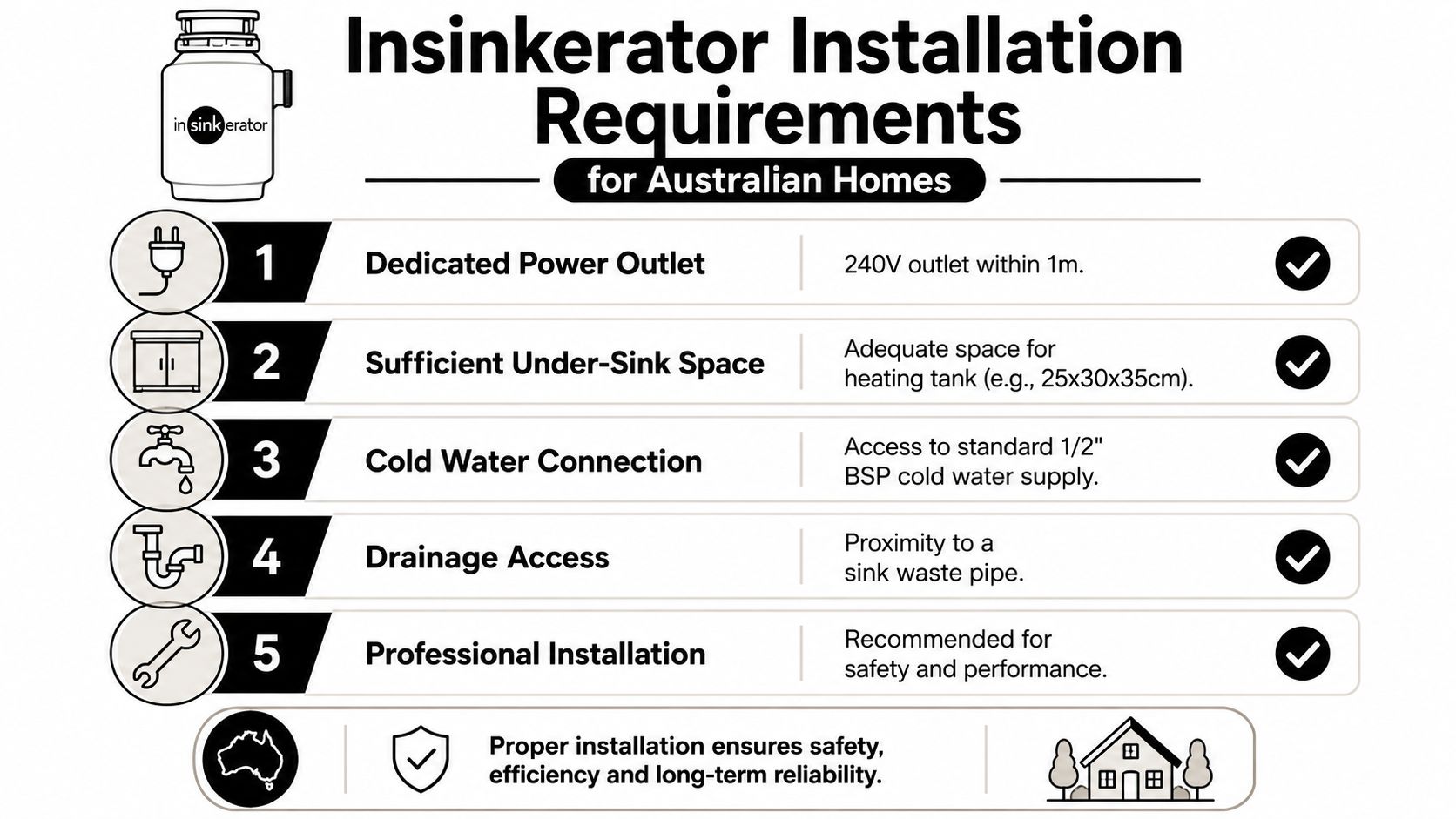
The three non-negotiables
According to Insinkerator's installation guide, the tank must be mounted vertically, sit within 40 cm of the faucet water lines, and be within 76 cm of a standard grounded power outlet (Insinkerator steaming hot water tap installation guide). That one detail rules out more cupboards than people expect.
Before buying, check these points:
Power access
There needs to be a suitable grounded outlet in the cabinet zone, not halfway across the room or hidden behind fixed joinery that makes servicing awkward.Cabinet shape, not just cabinet size
A wide cupboard isn't always usable if the trap, waste, or shelves block the tank position.Bench and tap-hole practicality
The tap itself needs proper clearance above and below the benchtop. Thick stone, awkward sink positioning, or crowded splashback areas can complicate the fit.
Common Melbourne retrofit problems
Older homes often have cupboards that were never designed for under-sink appliances beyond a basic trap and maybe a small filter. Apartments can be tighter again, especially when power wasn't planned near the sink.
What causes trouble most often:
- Crowded under-sink layouts with waste disposers, pull-out bins, or bulky traps
- No nearby grounded outlet, even though everything else looks install-ready
- Poor service access, which might not stop the install but makes future maintenance frustrating
- Low-value cupboard storage sacrificed for the wrong reason, because the tank location wasn't planned properly
Site reality: If the tank only fits by jamming it behind pipework or hard against stored items, the installation may work on day one but become a nuisance every time it needs servicing.
A quick pre-purchase checklist
Use this before ordering:
| Check | What to confirm |
|---|---|
| Outlet | Grounded power is available within the required reach |
| Water line path | The tank can sit close enough to the faucet connections |
| Vertical mounting | The cupboard allows proper upright placement |
| Service space | You can still access valves, fittings, and the unit later |
| Sink cabinet use | You're comfortable giving up some storage volume |
An Insinkerator tap works best when the installer treats the cupboard like a working plant space, not spare empty volume.
Simple Maintenance for a Long-Lasting Tap
An Insinkerator tap isn't high-maintenance, but it does need periodic care. The biggest issue in Australian conditions is usually mineral scale. If owners ignore that for too long, performance drops off, flow can change, and the system stops feeling as crisp as it did when new.
The good news is that routine maintenance is manageable if you stay ahead of it.
The maintenance jobs that matter
There are two broad tasks owners should expect over time.
First, water filtration upkeep on systems that use a filter. If a tap relies on filtered water, the filter condition affects taste and general performance. Exact replacement timing depends on the model and usage pattern, so it's worth following the product documentation for the specific setup rather than guessing.
Second, descaling the tank and tap path. That's the maintenance item people are most likely to postpone, and it's the one that causes the most avoidable problems.
A servicing walkthrough for Insinkerator hot water systems recommends a vinegar flush, with the process taking about 45 minutes from start to finish, while the active clean in one guide is noted as taking less than 30 minutes (Insinkerator cleaning walkthrough video).
What owners should watch for
These are the usual signs that maintenance is due:
- Slower or less consistent flow from the hot tap
- Changes in heating response that make the tap feel less immediate
- Visible scale around the outlet or associated components
- Water quality concerns where filtration has been left too long
None of those automatically means the unit is failing. Often, the tap just needs proper servicing.
What works and what doesn't
What works:
- Planned maintenance before performance noticeably drops
- Following the unit's service method instead of improvising with aggressive chemicals
- Keeping under-sink access clear so servicing is quick and safe
What doesn't:
- Treating the tap like a sealed appliance that never needs attention
- Ignoring scale in hard-water areas
- Forcing parts or fittings during DIY work if you're unsure what's under pressure or heat
If your system is already showing symptoms, this guide to common Insinkerator hot water tap problems can help you separate maintenance issues from actual faults.
Near-boiling water systems last better when owners treat them like serviceable appliances, not decorative tapware.
Your Insinkerator Experts in Melbourne and Australia-Wide
You notice the problem after the kitchen is finished. The tap looks right, but the cupboard is tighter than expected, the power point is awkward, or the replacement unit does not match what was there before. That is usually when owners realise an Insinkerator tap is not just a tap purchase. It is a system that needs the right advice at the start and proper support later.
Buyers usually need help at three stages. They need help choosing between models, fitting the unit into an existing kitchen, or sorting out faults and worn parts after years of use.
Why specialist support matters
Insinkerator has a long history in under-sink appliances. The brand dates back to John W. Hammes' early work on food waste disposers, which is covered in this Encyclopedia.com history of In-Sink-Erator. That background matters because these products are built around compact, under-bench installation, where clearances, fittings, and servicing access all affect how well the system performs over time.
In Melbourne homes, I often see the same pressure points. Older cabinetry can limit tank placement. Stone benchtops may already have a crowded tap layout. Power access under the sink is not always where you want it. Offices add another layer, because the tap may be used all day by staff who expect immediate, consistent performance.
Ring Hot Water handles that full ownership cycle, from model selection and supply through installation support, repairs, spare parts, and servicing. For customers outside Melbourne, the practical value is usually product guidance before purchase and access to the right replacement components later, rather than guessing from generic listings.
Where owners usually need help
- Before purchase, comparing a dedicated hot tap with a 3-in-1 or 4-in-1 setup, and working out whether the added convenience justifies the extra cost and under-sink space
- During installation, checking bench capacity, cupboard dimensions, filtration layout, and electrical position before the unit arrives
- After years of use, diagnosing whether the issue is scale, a service item, a failed component, or a tap that has reached the point where replacement is the smarter option
That lifecycle view matters in Australia, especially in Melbourne, where housing stock ranges from compact apartments to older renovated homes with less predictable under-sink layouts. Good results come from getting the first decision right, avoiding installation shortcuts, and having someone who can still support the unit years after the sale.
Frequently Asked Questions About Insinkerator Taps
Does an Insinkerator tap really replace a kettle
For many homes and offices, yes. Insinkerator materials describe near-boiling water at about 98°C, which is suitable for tea, coffee, and a range of cooking tasks, so the tap can take over most of what the kettle used to do (Insinkerator hot tap brochure). It's not a matter of whether it can make hot drinks; it certainly can. Rather, the key consideration is whether the convenience justifies the installation cost and the loss of some under-sink space for your situation.
If you only boil water occasionally, a kettle may still be the simpler answer. If you use hot water repeatedly through the day, the tap starts making a lot more sense.
Are Insinkerator taps safe around children and staff
They're designed with controlled dispensing in mind, but they still deliver near-boiling water, so they need to be treated with respect. Good habits matter just as much as hardware. In homes with children or in shared workplaces, placement, user awareness, and proper installation all matter.
The safest setup is one where everyone understands that this isn't ordinary warm water. It's a dedicated near-boiling outlet.
Can one model replace my main kitchen mixer
Some can. Some can't. That depends on whether you're looking at a dedicated hot water tap, a hot-and-cold combination unit, or a 3N1 or 4N1 style tap intended to do more of the sink's daily work.
If you want one fixture to do everything, choose that up front. Don't buy a dedicated boiling tap and hope it will behave like a full kitchen mixer later.
Are these taps good for cooking as well as drinks
Yes, within reason. They're useful for quick prep jobs such as filling a pot with hot starter water, blanching small amounts, or handling light food tasks at the sink. They're not a substitute for a large-volume cooking system.
Is an office kitchen a good use case
Usually, yes. Office staff tend to value quick hot drinks, less bench clutter, and a neater tea point. The main thing is choosing a model and tank setup that suits actual use rather than assuming every instant tap is built for the same demand.
If you're weighing up an Insinkerator tap for home or work, Ring Hot Water can help you sort out the practical side before you buy, from model selection and spare parts through to Melbourne installation, repairs, and maintenance support.

