
Uncategorized
Taps With Water Filter: A Melbourne Buyer’s Guide (2026)
May
Your kitchen usually tells you when it's time to rethink your water setup. The benchtop is crowded. The kettle is always in the way. You fill a glass from the mixer, take a sip, and still wonder whether the taste is just chlorine, old pipework, or your imagination. Then someone suggests a filter jug, which helps a bit, but now you've traded one annoyance for another.
That's why more Melbourne households are moving to taps with water filter systems. They clean up the bench, make daily use simpler, and give you a fixed water point that's built into the kitchen instead of added on as an afterthought. But choosing one properly means looking beyond showroom finishes and generic online buying guides.
In Melbourne, the right choice depends on what's happening behind the cupboard door and inside your water line. Pressure, hardness, cartridge type, servicing access, and newer PFAS expectations all affect how well the system works and how long it lasts.
Why Your Kitchen Needs a Tap with a Water Filter
A good filter tap solves a few problems at once.
First, it gets rid of the bench clutter. You don't need a freestanding jug taking up fridge space or a countertop unit parked next to the toaster. The filtration happens under the sink, and the tap on top does the visible work.
Second, it changes the way the kitchen functions day to day. If you cook often, fill drink bottles, make tea repeatedly, or want filtered drinking water without planning ahead, an integrated tap is much easier to live with than a jug or bottled water routine.
The daily benefits that actually matter
Most homeowners start with taste. They want water that's cleaner tasting and more pleasant to drink. That's fair, but convenience is usually what makes them stick with the system.
A proper setup can help with:
- Cleaner workflow: no separate jug to refill, chill, or move around
- Less visual mess: one tap system instead of extra appliances on display
- Better drinking habits: filtered water is available where you already use it
- Less waste: fewer bottled water purchases and less plastic coming through the house
A filter tap earns its keep when it becomes the default water source for drinking, cooking, and filling bottles. If people keep bypassing it, the system was chosen badly or installed badly.
Why Melbourne buyers need more than a generic guide
Online guides often make every house sound the same. They aren't.
A new townhouse with high mains pressure in an outer suburb behaves differently from an older inner-west home with limited cupboard space and scale already built up on fittings. The same tap can perform well in one kitchen and become a maintenance headache in another.
That's why the smarter question isn't just, “Which tap looks good?” It's, “Which system suits my water, my pressure, my space, and how I'll use it over time?”
Understanding How Filter Taps Work
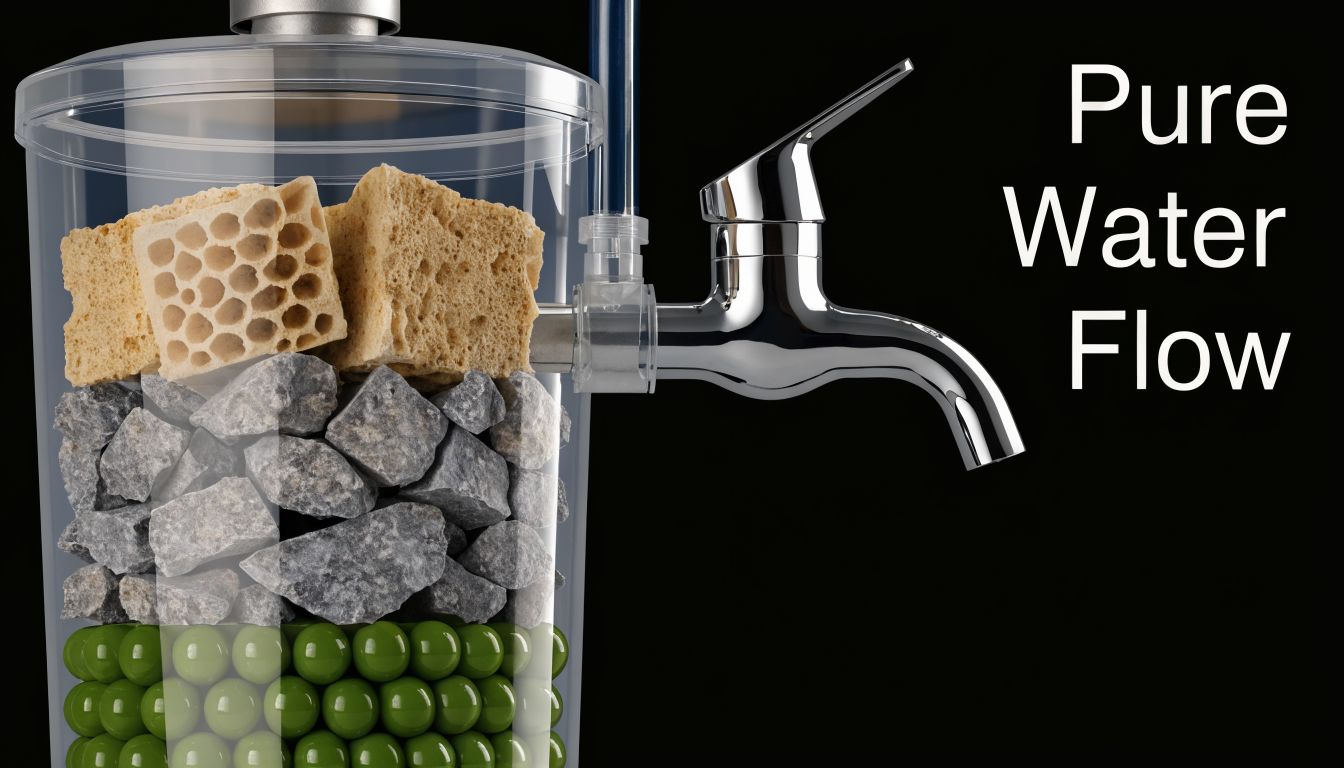
Under-sink systems are easier to understand if you think of them as a security checkpoint for your water. Water comes in from the mains, gets routed through one or more filtering stages, and only then reaches the drinking outlet.
The tap itself is only half the story. The essential work happens below the sink.
What sits above and below the bench
Above the bench, you've got the user-facing tap. That might be a small dedicated filtered water tap, a 3-way mixer, or a more complex boiling and chilled unit with separate controls.
Below the bench, you'll usually find a combination of:
| Component | What it does |
|---|---|
| Isolation valve | Lets the installer shut off the supply for servicing |
| Filter cartridge or cartridges | Removes particles, taste, odour, and in some systems more advanced contaminants |
| Pressure control hardware | Protects the system where incoming pressure is too high |
| Boiler or chiller tank | Stores heated or chilled filtered water in systems that offer more than ambient water |
| Tubing and fittings | Connects the supply, filtration unit, and tap outlet |
The water path in plain English
When you turn on the filtered side of the tap, cold mains water doesn't rise straight through the mixer body. It gets diverted through the under-sink filter first. The cartridge traps or reduces whatever that particular media is designed to handle, then the treated water comes back up to the dedicated outlet.
If you've bought a boiling or chilled system, there's another step. The filtered water goes from the cartridge into a compact tank or processing unit, where it's heated, chilled, or both, before being dispensed.
That hidden sequence matters because every added function adds another installation requirement. More space. More fittings. Often power. In some homes, drainage too.
Why some systems feel better to use than others
Two taps can both be sold as “filtered water taps” and behave very differently in real use.
One may have a dedicated filtered handle and smooth flow. Another may dribble, pulse, or slow down badly once the cartridge starts loading up. Some taps are easy to service because the filter sits at the cabinet front. Others are awkward because the unit gets jammed behind bins, cleaning products, or a pull-out drawer.
Trade view: If you can't access the cartridge easily, the owner usually delays replacement. Then flow drops, performance drops, and the whole system gets blamed.
The practical takeaway
Don't buy a filter tap as if it's just a tap. You're buying a small treatment system with a visible outlet. The style on the sink matters, but the under-sink layout decides whether the setup is easy to live with or constantly inconvenient.
Choosing Your Filtration Power and Filter Type
A filter tap can look excellent on the sink and still be the wrong buy for a Melbourne kitchen. I see that regularly in newer estates with lively mains pressure, and again in older areas where scale and sediment slowly load up cartridges long before the owner expected.
The cartridge decides what gets reduced, how fast the water flows, how often you replace filters, and how the system copes with your local supply. With the new PFAS focus and tighter expectations around drinking water quality, this choice has become more technical than many showroom displays make it look.
What the main filter types actually do
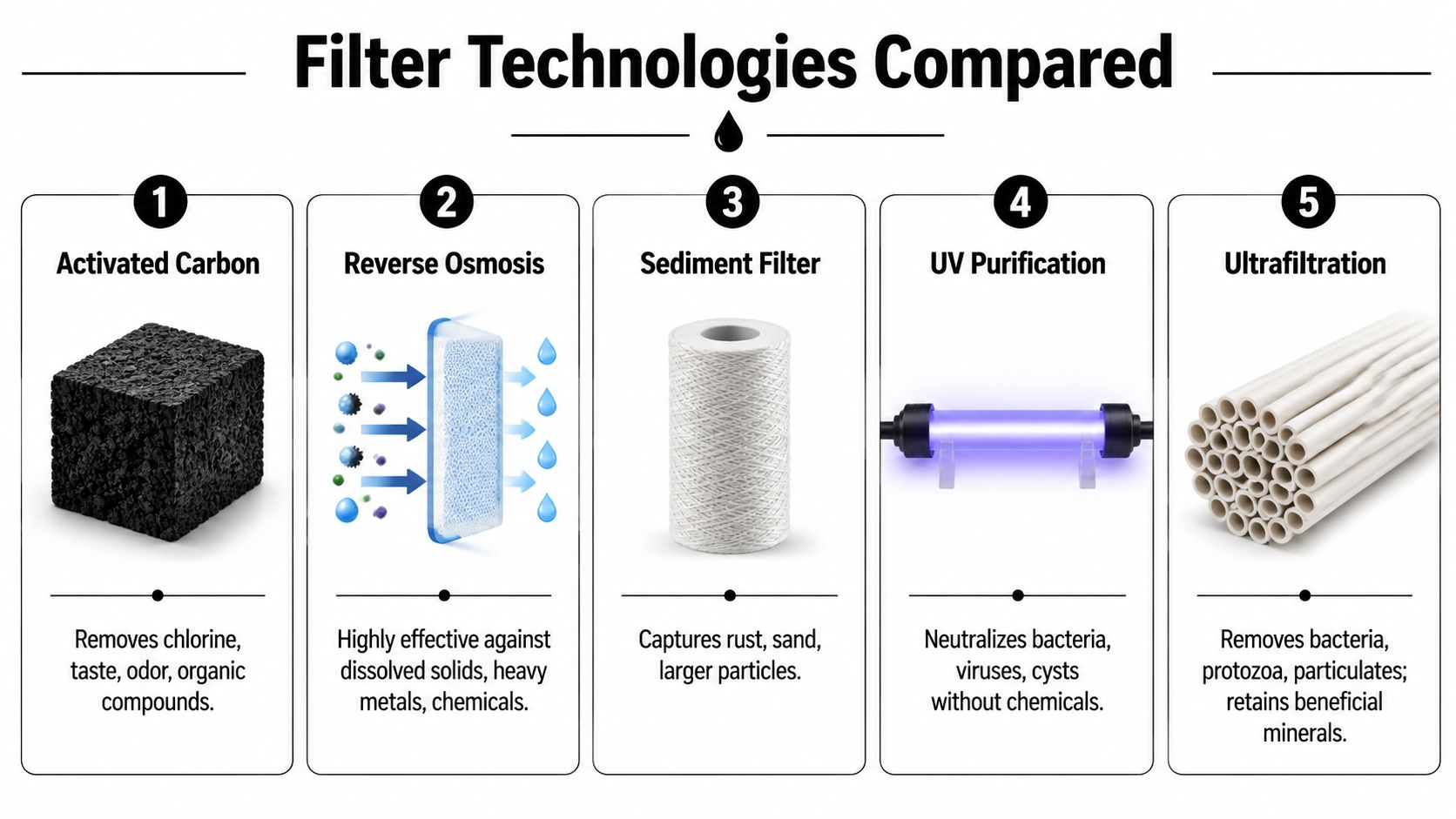
Each filter type solves a different problem.
- Activated carbon: commonly used to improve taste and odour and reduce chlorine-related complaints. This is still the standard starting point for many under-sink filter taps.
- Sediment filtration: catches grit, rust, and other larger particles before they reach finer media.
- Ultrafiltration: uses a tighter membrane than basic sediment cartridges and targets finer particulates.
- UV purification: suits homes where biological treatment is part of the brief. It is a specialist add-on, not a default requirement for every metro kitchen.
- Reverse osmosis: offers broader reduction capability but brings slower production, more waste water, and a more involved install.
For many Melbourne homes, the better result comes from matching the filter to the water issue, not just buying the finest micron rating on the box.
Micron rating, flow, and cartridge life need to be read together
A micron rating tells you how fine the filtration media is. Smaller micron ratings usually catch more, but they also create more resistance. That affects flow at the tap and can shorten cartridge life if the incoming water carries sediment or scale.
Philips publishes that its PFAS Pro AUT9333/79 uses a 0.5 micron NSF-certified carbon block filter, with a stated 5.7L/min flow rate and 7286 litres over 12 months capacity on the Philips Australia product page. The Phoenix Pristine 2-in-1 takes a staged approach with a 5 micron carbon block cartridge followed by a 1 micron Rona Flow cartridge at 6 L/min.
Neither approach is automatically better. A finer filter can make sense where reduction goals are stricter, including buyers paying closer attention to PFAS-related claims. A more open, staged setup can be the smarter long-term choice where strong flow and longer service intervals matter more.
Melbourne conditions change how these systems perform
Generic buying guides often ignore local plumbing conditions. That is a mistake.
In parts of Melbourne, incoming pressure is high enough to make some filter taps behave well on day one and poorly a few months later. In older homes, I also see scale and fine debris push cartridges harder than the brochure suggests. A cartridge that performs nicely in a controlled test can lose flow much faster in a real kitchen with hard-working family use.
That is why pressure control matters as much as filter media. If the house pressure is lively, a pressure-limiting valve often protects both the cartridge and the tapware. It can also make replacement intervals more predictable.
If you are weighing a 3-way setup, it helps to compare the plumbing format as well as the cartridge spec. This guide to a kitchen 3 way mixer tap is a good reference point before you lock in a style.
Read the cartridge spec alongside your water pressure, expected daily use, and the actual contaminants you want to reduce.
A practical way to choose
Use this framework:
| Priority | Usually suits |
|---|---|
| Better taste and easier everyday drinking water | Carbon-based under-sink filtration |
| Taste improvement plus particle reduction | Multi-stage sediment and carbon |
| Broader contaminant reduction goals, including buyers focused on PFAS claims | Reverse osmosis or a certified fine-filtration system matched to the application |
| Homes with high mains pressure | A system chosen with pressure control and realistic cartridge replacement costs |
The decision sits in the ongoing cost and suitability. Lower micron is not automatically the smart buy. In Melbourne homes, the better system is the one that matches local water conditions, holds its flow, and does not turn filter changes into a constant expense.
Comparing Different Tap Styles and Functions
Tap style affects more than looks. It changes how the kitchen operates, how much bench and sink space you keep, and how much hardware ends up under the cabinet.
Most buyers are choosing between two broad approaches. One is an integrated all-in-one tap. The other is a separate filtered water outlet alongside the existing mixer.
All-in-one taps versus separate filter taps
An all-in-one tap keeps everything at one point. Depending on the model, that can mean standard hot and cold, plus filtered ambient water, boiling water, chilled water, or even sparkling. These suit kitchens where visual simplicity matters and the owner wants one fixture doing all the work.
A dedicated filtered water tap sits beside the existing mixer. That's often the cleaner choice when the current kitchen tap is still in good condition or when the owner wants a simpler filtration upgrade without replacing the full mixer.
Here's the practical comparison:
| Option | Works well for | Watch for |
|---|---|---|
| 3-way mixer tap | Renovations, cleaner sink layout, one-tap look | Needs compatibility with sink and under-bench setup |
| Dedicated filter tap | Lower-disruption upgrades, keeping current mixer | Requires an extra hole if one isn't available |
| Boiling and chilled tap | Busy kitchens, offices, frequent tea and bottle filling | More servicing needs, more cupboard space, power required |
If you're considering a combined kitchen mixer and filtered outlet, this guide on a kitchen 3-way mixer tap is a useful reference point for how the format works in real kitchens.
Style matters, but function matters first
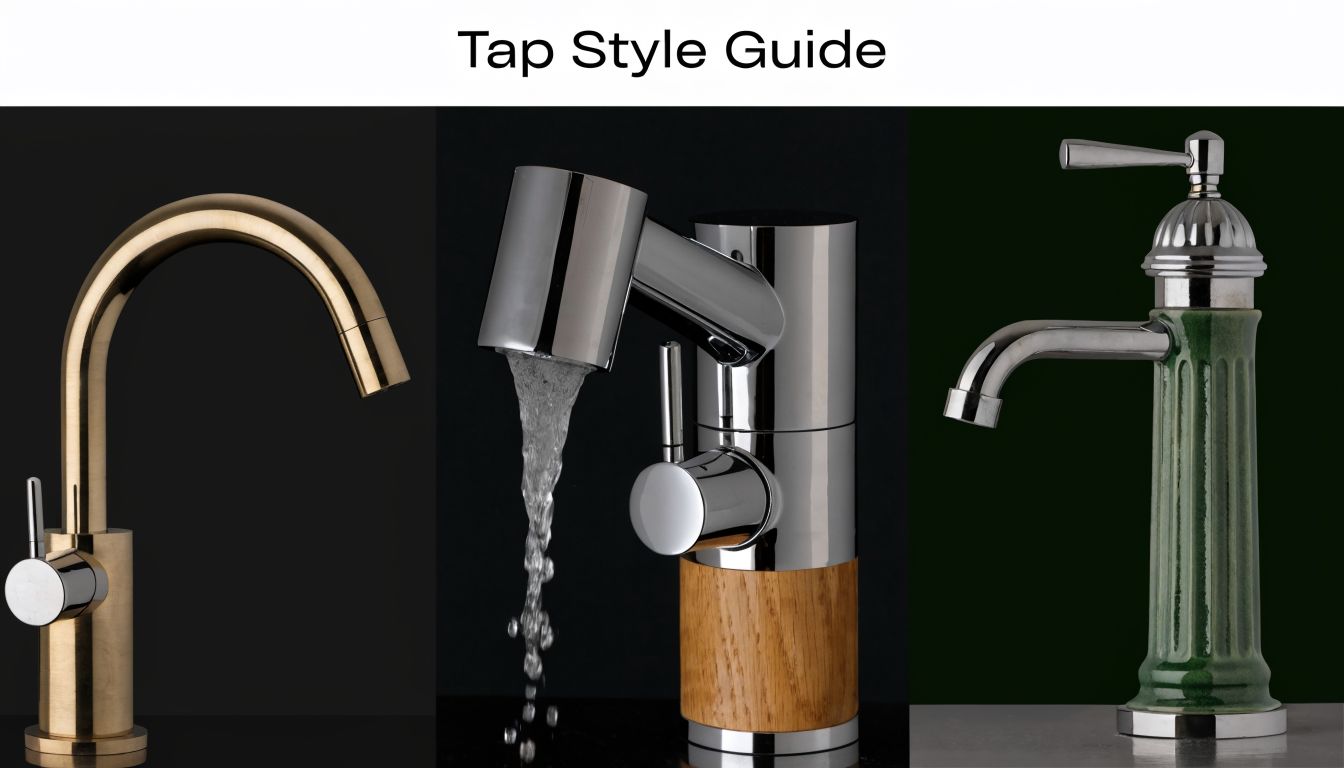
Finishes still matter. Chrome stays popular because it's easy to match and easy to service. Matte black looks sharp but shows spotting sooner. Brushed metallic finishes can soften wear better in busy kitchens.
Handle layout also changes daily use. Separate levers for boiling or filtered water are usually easier for guests and kids to understand than a single multifunction control with hidden positions.
Why advanced systems are getting more attention
Stricter PFAS expectations have pushed more buyers to look beyond basic carbon filtration. With Australian drinking water guidelines for PFAS becoming stricter in 2025, and searches for “PFAS filter tap Australia” rising 150% since January 2025, demand has shifted towards more advanced systems, according to the Australian Water Association note on PFAS in drinking water. Certified tankless RO systems, including select models from Zip, can remove over 99% of PFAS, while basic carbon filters are often less than 70% effective.
That doesn't mean every home needs RO. It does mean buyers should stop assuming all filtered taps are doing the same job. They aren't.
If you want a system that's more future-facing on contaminant reduction, look at the treatment method first and the tap body second.
Installation and Compatibility What to Check Before You Buy
Most expensive mistakes happen before the tap is even installed. People buy the fixture they like, then discover the cabinet is too tight, there's no power point, the pressure is wrong, or the local water condition is tougher than the brochure assumed.
A quick site check saves a lot of grief.
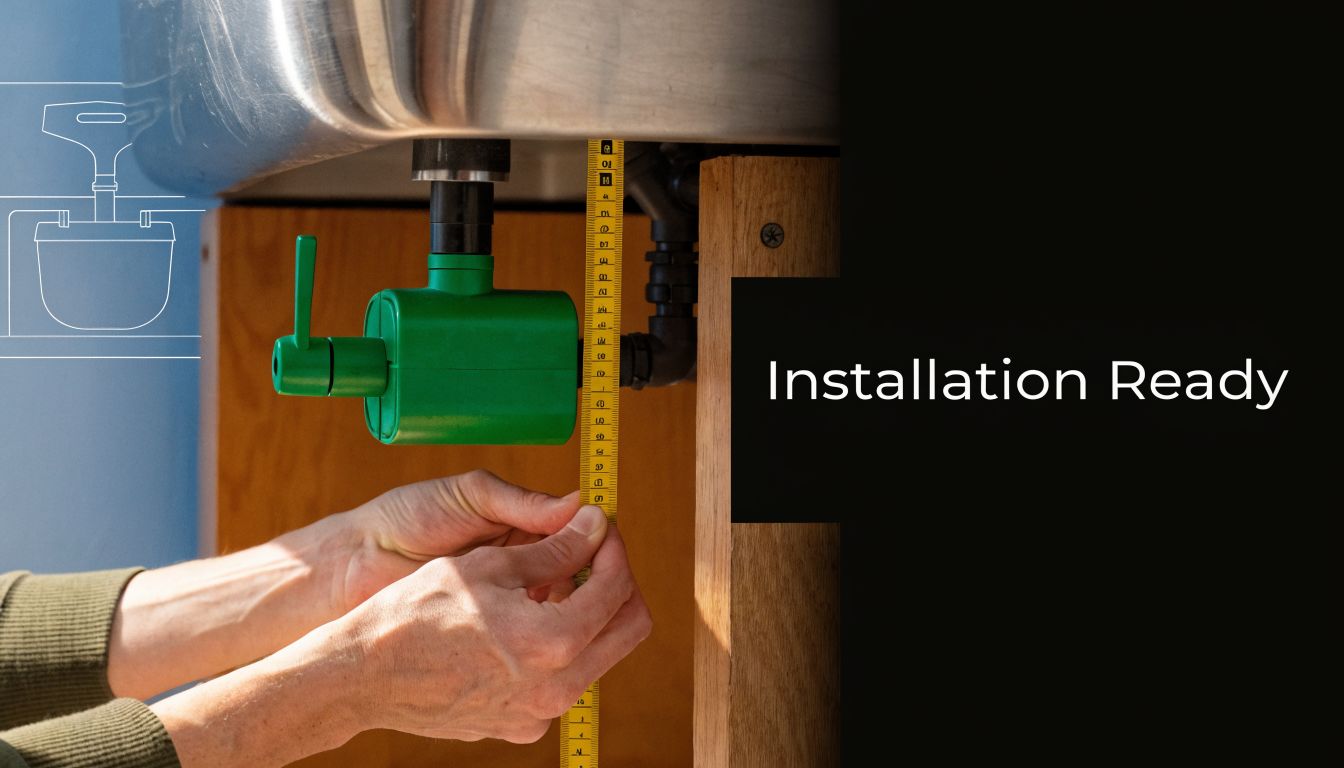
Start with the cupboard, not the catalogue
Under-sink space decides what's realistic. A compact filter cartridge setup is one thing. A boiling and chilled unit with tanks, valves, and service clearances is another.
Check these before you buy:
- Cabinet depth and height: allow room for the unit and enough access to change cartridges later
- Power availability: many advanced systems need a nearby power point, and homeowners often miss this
- Drainage pathway: some systems need a discharge or drain connection depending on design
- Existing plumbing layout: waste pipes, pull-out bins, and disposals can make a simple install awkward fast
If you're arranging a new setup or replacing an older one, a local guide on water filter installation in Melbourne can help you gauge the practical requirements before purchase.
Hard water changes maintenance needs
Melbourne conditions are particularly relevant. In Victoria, 60% of households contend with hard water, and limescale buildup can reduce a boiling tap's lifespan by up to 50% without proper management, according to Melbourne Water's information on local water characteristics. The same source also notes that searches for “filtered tap limescale Melbourne” are up 40% year-over-year.
That's not a cosmetic issue. Scale coats heating chambers, slows heat transfer, narrows internal passages, and shortens service intervals. In homes with harder water, an anti-scale strategy should be part of the buying decision, not an afterthought.
Buy a boiling tap for hard water without planning for descaling, and you're shortening the life of the system on day one.
Plumbing details that catch people out
Even simple filter taps rely on basic plumbing health. If the sink stop valve is old, sticky, or weeping, installers may need to sort that before connecting the new system. Homeowners who want to understand that part of the job can read this practical walkthrough on fixing a leaky sink stop valve, which explains why that small fitting causes outsized problems during upgrades.
Another common issue is pressure control. If incoming pressure is high, the filter system may need a pressure-limiting valve as part of the installation package. That protects cartridges and keeps the unit operating within the range it was designed for.
This short video gives a useful visual overview of what a proper under-sink setup involves:
What a professional assessment should cover
A decent pre-purchase assessment should answer four things clearly:
- Will the system physically fit?
- Is the plumbing suitable as-is, or does it need prep work?
- Does the water condition call for pressure control or anti-scale protection?
- Will ongoing servicing be easy once the system is in place?
That last point matters more than people expect. A tap with a water filter should be easy to maintain. If the installer has to wedge the cartridge behind a bin slide and two cleaning caddies, the owner won't love it for long.
Managing Maintenance and Total Cost of Ownership
The purchase price is only the opening cost. What matters over the next few years is how often you replace cartridges, whether scale control was built in properly, and how easy the system is to service when something eventually needs attention.
That's the difference between a smart kitchen upgrade and a unit that becomes an expensive nuisance.
The recurring costs people forget to budget for
Every filtered tap system has a maintenance cycle. For a simple ambient filtered tap, that usually means cartridge replacement and occasional servicing checks. For boiling and chilled units, add descaling, tank checks, valve inspections, and sometimes replacement of wear parts.
The most common long-term cost items are:
- Replacement cartridges: these need changing on schedule, not when the water tastes odd
- Descaling work: more important in harder-water areas and for heated systems
- Service call labour: especially if access under the sink is poor
- Minor parts replacement: hoses, valves, connectors, seals, and control components over time
If you're comparing systems, don't just ask what the first filter costs. Ask whether replacements are easy to source and whether the brand has a dependable local parts path. This overview of a replacement cartridge water filter gives a practical sense of what owners should check before choosing a platform.
Cheap upfront can cost more later
A lower purchase price can still be the expensive option if the cartridges are awkward, the flow drops quickly, or the unit needs more callouts because the installation didn't suit the site conditions.
I've seen this in kitchens where the owner picked a tap purely from an online product listing. No one checked the cupboard. No one checked pressure. No one asked about limescale. Six months later, they're annoyed at slow flow, filter changes, and the fact that the “bargain” system is already becoming work.
Service rule: The easiest system to own is the one you can maintain on schedule with standard parts and clear access.
Think like you would with any building upgrade
Homeowners are usually sensible about this logic in other parts of the house. When they compare fixtures, cabinetry, or major build costs, they don't stop at the sticker price. They look at durability, maintenance, and what the product will cost to live with over time. It's the same thinking people apply when they estimate new home builds in SEQ. The headline number matters, but the final decision sits in the ongoing cost and suitability.
Filtered water systems deserve the same treatment.
A practical maintenance mindset
If you want a system to last, build these habits in from the start:
| Maintenance habit | Why it matters |
|---|---|
| Replace cartridges on schedule | Prevents poor flow and declining filtration performance |
| Descale when required | Protects boiling units and internal waterways |
| Keep service access clear | Makes routine maintenance faster and cheaper |
| Use genuine compatible parts | Reduces fitment problems and repeat faults |
The smartest buyers aren't the ones chasing the fanciest tap body. They're the ones who understand that total cost of ownership depends on the match between system design, water conditions, and ongoing maintenance discipline.
Your Guide to Buying and Servicing Filter Taps in Melbourne
A tap that performs well in one Melbourne kitchen can be a poor fit in another. I see that regularly. A unit that looks perfect in a showroom can struggle once it meets high mains pressure in a newer estate, tight cabinet space in an apartment, or scale build-up in an older suburb.
Local conditions matter more than many buying guides admit. Melbourne homes can have pressure issues that shorten the life of valves and filters, and some areas put more mineral load through boiling or chilled units than owners expect. On top of that, tighter national attention on PFAS has pushed more homeowners to ask harder questions about what a filter removes, how often cartridges need changing, and what that costs over time.
What local assessment changes
A proper recommendation starts with the property.
Before I would suggest any tap with water filter setup, I would want clear answers on a few site-specific points:
- What water do you want every day? Filtered ambient water is one decision. Boiling and chilled adds another layer of cost, servicing, and space requirements.
- What is the incoming pressure doing? High pressure can be hard on internal components if the system is not set up with protection where needed.
- What is your local water like? Harder water raises the servicing load, especially on boiling tanks and mixed-function units.
- How much usable cabinet room is actually available? Real service space matters more than whether the unit can technically be squeezed in.
- What contaminants are you trying to reduce? Taste and odour concerns need a different approach from a buyer who wants certified reduction for PFAS or other specific substances.
That last point gets missed a lot. A homeowner may ask for "filtered water" and assume every cartridge does the same job. It does not. If PFAS reduction is part of the brief, the filter selection needs to be checked carefully against the product specifications, not guessed from the label.
How Melbourne buyers should narrow the field
Start with use, then work back to the plumbing.
If the goal is better-tasting drinking water and less bench clutter, a simple dedicated filtered tap often gives the best value and the lowest servicing cost. If the kitchen relies on instant boiling water, or the household wants chilled water through summer, an all-in-one system may make sense, but only if the cabinet, power supply, pressure conditions, and maintenance budget all line up.
Brand matters less than fit. Zip, Stiebel Eltron, Insinkerator, and standard stainless filtered tap systems all have their place. The right choice depends on demand, water quality, service access, and whether replacement parts are easy to get in Melbourne.
Where supply and service support matter
Buying the tap is only part of the decision. The owner also needs a clear service path.
Ring Hot Water is one Melbourne supplier that handles filtered taps, boiling and chilled units, fittings, spare parts, and servicing across the metro area. That matters because problems usually show up later, during a filter change, a pressure fault, a leak under the sink, or a call for a replacement cartridge that has to match the original setup.
For offices, staff kitchens, and hospitality sites, that support can save a lot of downtime. For homeowners, it usually means fewer mismatched parts and less guesswork when the system needs attention.
A good filter tap setup is one you can still service properly three years from now, with parts you can identify and access without pulling half the cabinet apart.
A smarter Melbourne buying checklist
Before you commit, get clear on these five points:
- Does the filtration match the problem you want to solve? Taste improvement, sediment reduction, boiling convenience, chilled water, and PFAS reduction are different briefs.
- Is the system suited to your pressure conditions? This affects reliability more than many buyers realise.
- Will local water quality shorten cartridge life or increase scale build-up? That changes running costs.
- Can a technician reach the unit easily for filter changes and repairs? Poor access makes every service call slower and more expensive.
- Are replacement filters and parts readily available in Melbourne? A smart buy is one you can keep running without hassle.
Answer those properly and the purchase becomes much clearer. You are no longer choosing a tap on finish alone. You are choosing a water system that suits Melbourne conditions, meets current expectations around filtration performance, and stays economical to own.
The Final Verdict Is a Filter Tap Worth the Investment?
For most Melbourne kitchens, yes. A well-chosen filter tap improves daily use in a way people notice immediately. Better drinking water access, less bench clutter, fewer plastic bottles, and a cleaner kitchen workflow all make a real difference.
The value isn't just in the tap. It's in the match between the filtration type, the tap style, the under-sink space, and the local water conditions. If you ignore pressure, hardness, or servicing access, the system can disappoint even if the product itself is sound.
That's why the smarter way to buy taps with water filter systems is to treat them as part plumbing upgrade, part appliance decision, and part maintenance commitment. Get those three parts right and the system usually becomes one of the most-used features in the kitchen.
If you're weighing up options now, keep the decision practical. Choose the function you'll use, make sure the filtration suits your needs, and don't skip the site checks that affect lifespan and running costs.
If you want professional advice on a filtered tap, boiling and chilled unit, or a replacement setup that suits your Melbourne property, contact Ring Hot Water. A proper recommendation starts with your water conditions, cabinet space, and intended use, not just the tap finish.

