
3 Way Taps
3 Way Kitchen Sink Mixer Tap: A Melbourne Guide (2026)
May
Your kitchen bench often tells the story before you do. There’s the kettle near the splashback, a filter jug taking up another corner, and maybe an under-sink unit you’re half sure still works the way it should. If you’re renovating, or just tired of the clutter, the tap becomes more important than one might initially think.
A 3 way kitchen sink mixer tap is one of those upgrades that sounds minor until you use one properly. In Melbourne homes, it can tidy the bench, simplify filtered drinking water, and pair neatly with under-sink equipment if the plumbing is planned well. It can also become a headache if the pressure is wrong, the fittings don’t suit the system, or the tap isn’t designed for Australian conditions.
That’s where a lot of homeowners get stuck. The showroom version looks simple. The under-sink reality is where the key decisions sit.
The End of the Cluttered Kitchen Bench
A common Melbourne kitchen setup looks like this. The main mixer tap handles washing up. A separate little filter tap sits beside it, or a filter jug lives near the toaster. The kettle stays out all day because it gets used too often to pack away. None of it is broken, but none of it feels organised either.
That’s usually the moment people start asking about a 3 way kitchen sink mixer tap. Not because they want a flashy fitting, but because they want one tap to do the work of two.
With a 3 way tap, you keep your normal hot and cold mains water for washing and cooking, then add filtered drinking water through the same fixture. You don’t need a second tap drilling through the benchtop just for filtered water. In many kitchens, that’s the difference between a busy sink area and one that feels clear again.
Melbourne renovators have been moving this way for practical reasons. 3 way kitchen sink mixer taps saw a 45% adoption increase among Melbourne households from 2020 to 2025, driven by space-saving designs that remove the need for a separate filtered water tap, according to Buildmat’s guide to 3 way kitchen mixer taps. The same source notes that homeowners often put 3–5% of the total kitchen budget into advanced tapware.
That makes sense on site. People will happily spend on stone, joinery and appliances, then realise the tap is the part they touch every day.
Practical rule: If your sink area already feels crowded before the renovation starts, adding another small tap rarely makes it feel better.
It’s also not only about appearance. A single integrated tap reduces the number of moving parts on the bench, makes cleaning easier, and gives filtered water without the visual clutter that older kitchen layouts often had.
For many households, that’s the upgrade. Less stuff on display. Fewer workarounds. A kitchen that functions the way it should.
What Exactly Is a 3-Way Mixer Tap
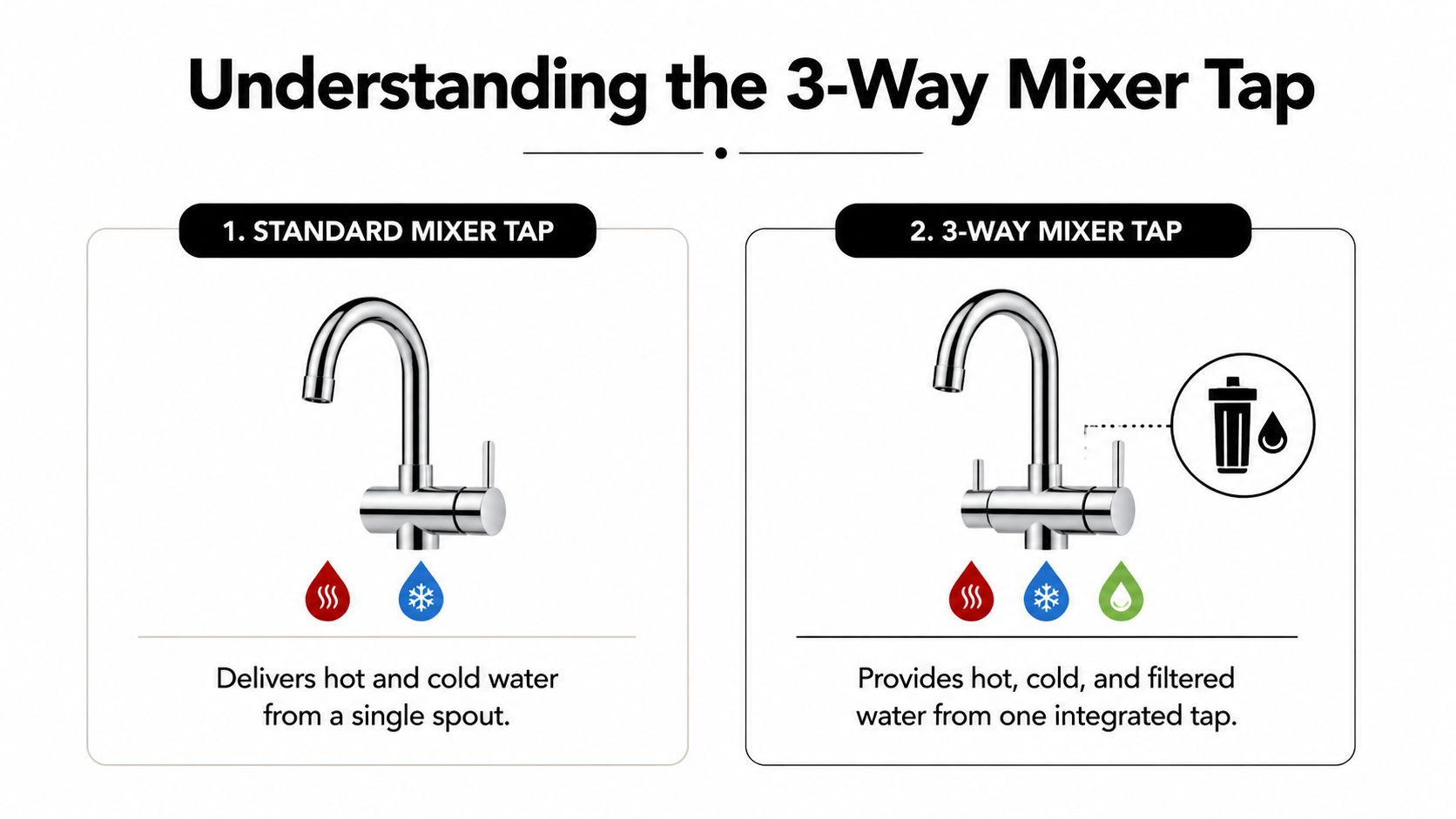
A 3 way kitchen sink mixer tap is one tap body with three water paths inside it. It delivers standard hot water, standard cold water, and filtered drinking water from the same fixture.
That last part is where people often get confused. They assume all three water supplies mix together in the spout. A properly designed 3 way tap doesn’t work like that. It's akin to a three-lane road inside the tap. Each lane has its own route, and the filtered water travels in its own dedicated passage.
What you use it for day to day
In practice, the layout is simple:
- Hot and cold mains water for rinsing plates, filling pots, and general sink use
- Filtered water for drinking, cooking, coffee machines, and kettles
- One tap body instead of a main mixer plus a second filter tap
That’s why these taps suit both compact kitchens and higher-end renovations. They solve a functional problem first.
Tap configurations compared
| Feature | Standard Mixer Tap | Mixer + Separate Filter Tap | 3-Way Mixer Tap |
|---|---|---|---|
| Water types available | Hot and cold mains water | Hot and cold mains water, plus filtered water from second tap | Hot, cold, and filtered water from one integrated tap |
| Bench appearance | Simple, but no filtered outlet | More cluttered around sink area | Cleaner look with one main fixture |
| Benchtop drilling | Usually one tap hole | Often needs an extra hole for filter tap | Usually single tap position |
| Convenience | Fine for basic use | Functional, but involves two fixtures | All functions at one sink point |
| Best for | Basic kitchens | Homes adding filtration without replacing main tap | Renovations or upgrades where space and appearance matter |
The big benefit isn’t just that it looks neater. It’s that it makes filtered water feel normal. You don’t have to fill a jug, reach for a second tap, or explain to guests which outlet does what.
A good 3 way tap should feel boring to use. Turn the handle, get mains water. Use the filtered control, get drinking water. No guessing.
Why homeowners choose this setup
A standard mixer is still fine if you don’t want filtered water. A separate filter tap works if you’re retrofitting around an existing kitchen and don’t want to replace the mixer. But if you’re already touching the sink area, a 3 way model usually gives the tidiest result.
That’s also why it shows up so often in kitchens paired with under-sink filters, and why it can work well with instant hot or chilled systems when the plumbing is matched properly.
How a 3-Way Tap Works Under the Sink
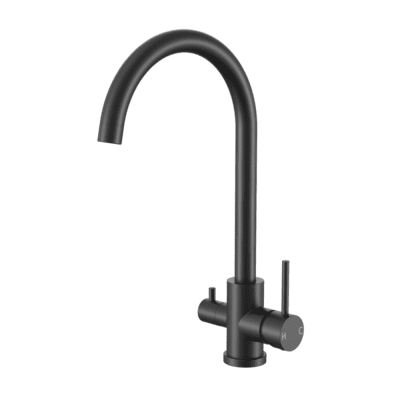
Most of the confidence in a 3 way kitchen sink mixer tap comes from what you can’t see. Under the sink, the tap has separate connections for the different water supplies, and inside the body it uses dedicated internal channels so the filtered water stays apart from the mains hot and cold.
The three connections underneath
A typical setup includes:
- Hot water inlet connected to your household hot supply
- Cold water inlet connected to mains cold
- Filtered water line fed from the water filter or compatible under-sink system
On compliant taps, these don’t just join into one chamber. The filtered line stays isolated right through the tap body until it reaches its own outlet path.
That’s the feature homeowners should care about most. Filtered water is only useful if it stays separate.
Why certification matters in Melbourne
In Australia, these taps must comply with Watermark Certification to AS/NZS 3718, which means they’re built to meet local plumbing safety and performance requirements. According to Pure Water Systems’ Watermark-certified 3 way mixer specifications, compliant 3 way taps can handle pressure up to 1000 kPa, use separate internal channels and lead-free materials, and reduce cross-contamination risks by 99% compared with single-outlet systems.
That matters in Melbourne because water pressure varies a lot between suburbs and even between neighbouring streets. Some homes have calm, predictable pressure. Others have enough pressure variation to expose weaknesses in cheap fittings very quickly.
The parts that do the heavy lifting
When you look past the polished finish, the important pieces are fairly plain:
| Component | What it does | Why it matters |
|---|---|---|
| Ceramic disc cartridge | Controls water flow and shut-off | Helps the tap operate smoothly and resist drips |
| Lead-free brass body or similar compliant material | Forms the main tap structure | Supports durability and potable water safety |
| Separate internal water channels | Keeps filtered water apart from mains water | Protects water quality at the outlet |
| Flexible inlet hoses and filter fitting | Connects the tap to supplies under the sink | Affects compatibility with the rest of the system |
Under-sink check: If a tap can’t clearly show compliant certification and a dedicated filtered-water path, keep shopping.
One more point often gets missed. A tap can look substantial on the bench and still be a poor match for local conditions underneath. The primary test is whether it can work with your pressure, your filter, your available cupboard space, and your existing hot water setup without improvisation.
That’s why the plumbing diagram matters more than the showroom finish.
Integrating with Boiling and Chilled Water Systems
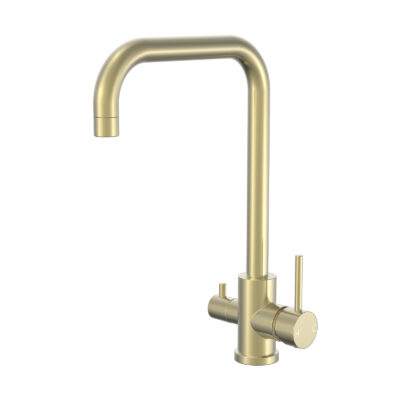
A standard filter connection is one thing. Pairing a 3 way kitchen sink mixer tap with an under-sink boiling or chilled unit is where the planning has to be tighter.
Melbourne households often want one sink area to cover everything. Normal hot and cold water. Filtered drinking water. Sometimes instant boiling water. Sometimes chilled filtered water. Brands such as Zip, Stiebel Eltron and Boiling Billy come up often because many homes already have one of these units, or they’re choosing one during a renovation.
The tap is only one part of the system
Homeowners sometimes assume the 3 way tap can be swapped in and everything else will connect neatly. Sometimes that happens. Often it doesn’t.
The challenge is that under-sink boiling and chilled systems have their own requirements for pressure control, line routing, fittings, and warranty conditions. The tap has to match the unit. The unit has to match the water pressure. The cupboard has to physically fit everything without kinking hoses or crowding service points.
A 3 way tap can act as a useful hub in the right setup. It can also expose weaknesses in an old installation that a simpler tap never revealed.
Pressure is the Melbourne issue that catches people out
In Melbourne, 35% of households use under-sink boilers, and pressure imbalances cause issues in 20% of DIY installs, according to the verified local data tied to this installation-related reference. That’s the part many online guides skip over.
If your mains pressure is high, the system may need a pressure-limiting valve before the tap and connected unit are asked to work together. Without that control, homeowners can end up chasing strange behaviour such as poor filtered flow, noisy operation, leaks, or problems that later turn into a warranty dispute.
Don’t judge compatibility by thread size alone. A fitting may screw together neatly and still create a bad system.
If you’re comparing options for an all-in-one setup, this guide to instant boiling and chilled water tap systems gives a useful overview of how these products are typically paired.
Common compatibility questions
A few examples come up again and again in Melbourne homes:
Zip already under the sink
The main question isn’t whether a 3 way tap looks suitable. It’s whether the existing unit, valves and hose routing allow a compliant connection without affecting operation.Stiebel Eltron in an older kitchen
Older cupboards can be tight. The issue is often physical space and access for future servicing, not only water supply.Boiling Billy plus water filter
This usually requires careful planning so each line does the job it’s meant to do and the filtered supply isn’t compromised by a rushed retrofit.
A short walkthrough helps people visualise the kind of under-sink layout involved:
When a specialist install makes sense
If the system includes boiling, chilled, or mixed filtration hardware, licensed installation starts to matter more than confidence with tools. The goal isn’t just to make it work on day one. It’s to make sure isolation, pressure control, line separation and service access all make sense long term.
That’s especially true in kitchens where expensive appliances are sitting directly above the cupboard you’re modifying.
A Practical Installation Guide for Melbourne Homes
Some 3 way tap jobs are straightforward. Others look straightforward until the old tap comes out and the cupboard tells a different story. Before buying anything, work through the kitchen like a plumber would.
Start with the three checks that save the most trouble
First, check the tap hole and sink area. You need to know whether the existing mounting point suits the new tap body and whether the handle movement will clear the splashback.
Second, look under the sink and be honest about space. A filter, hoses, valves and possibly a boiling or chilled unit all need room. They also need to remain accessible after installation.
Third, check water pressure and shut-off condition. In Melbourne, pressure can be the difference between a smooth install and a tap that never behaves properly.
What a capable DIYer can usually do
If you’re practical and the setup is basic, you may be comfortable handling the prep work:
- Measure carefully so you know the tap body and fittings will physically suit the sink and cupboard.
- Map the cupboard layout before buying the filter or tap. A quick sketch helps more than people think.
- Check existing hoses and isolation points for wear, awkward angles, or corrosion.
- Confirm power access if the system also includes a boiling or chilled unit.
These checks don’t replace licensed plumbing where it’s required, but they stop a lot of poor buying decisions.
Where people should pause and call a plumber
The line gets clearer when the installation includes any of the following:
- Pressure concerns in a suburb known for strong mains supply
- An under-sink boiler or chiller that has to work with the new tap
- Old pipework or cramped cupboards where access is already difficult
- Warranty-sensitive equipment with brand-specific connection requirements
That’s also the stage where it helps to understand the broader setup around under-sink hot water systems, because the tap is only one part of the job.
A neat installation isn’t just about how the tap looks on top. It’s about whether someone can still service the valves and hoses later without dismantling half the cupboard.
The fittings you’ll hear mentioned
A few plumbing terms come up regularly when people shop for these taps:
| Term | Plain-English meaning |
|---|---|
| Flexible braided hoses | The common connection hoses for hot and cold water |
| Push-fit fittings | Quick-connect fittings often used on filter lines |
| Isolation valve | A shut-off point that lets you service the tap or filter |
| Pressure-limiting valve | A valve used where mains pressure needs to be controlled |
If your system uses brands with specific connection hardware, don’t assume a universal fitting kit will suit them. That’s where many DIY installs start off looking tidy and end up unreliable.
Maintenance and Troubleshooting for Lasting Performance
A 3 way kitchen sink mixer tap doesn’t usually fail all at once. It starts with small signs. The handle feels rougher. The filtered flow slows down. The spout begins to drip after shut-off. In Melbourne, hard water is often behind those early symptoms.

According to the verified data, Melbourne water hardness sits around 150–250 mg/L, and ceramic cartridges in 3 way taps can fail within 2 years, with a 40% failure rate reported in the cited material. That same verified source notes that proactive descaling and genuine DZR brass spare parts are important for longevity, as outlined in this 3 way sink mixer faucet reference.
What hard water actually does to a tap
Mineral build-up doesn’t only affect kettles. Inside a tap, scale can interfere with moving parts and narrow the water path over time. The filtered side may also show reduced flow if the aerator or related components collect residue.
That’s why some taps look fine from above but feel older than they should.
A sensible maintenance routine
You don’t need an elaborate schedule. You do need consistency.
- Wipe the tap dry after heavy use if your water leaves visible spotting.
- Clean the aerator periodically if the flow starts to spray unevenly or lose strength.
- Descale early when the handle stiffens or the outlet pattern changes.
- Replace filter cartridges on time according to the filter system’s guidance, so the filtered line isn’t forced to work harder than it should.
- Use genuine spare parts where possible for cartridges, O-rings, aerators and fittings.
Quick fault guide
| Symptom | Likely cause | First response |
|---|---|---|
| Dripping from spout | Cartridge wear or mineral build-up | Inspect cartridge and descale if appropriate |
| Weak filtered flow | Filter due for replacement, blocked aerator, or line issue | Check filter schedule, then inspect outlet components |
| Rough handle movement | Scale in cartridge or worn internals | Service early before the cartridge deteriorates further |
| Water marks and staining | Mineral residue on finish | Clean gently and dry regularly |
Service advice: If a tap starts showing small faults, don’t wait for a total failure. Minor parts are usually easier to replace before wear spreads to neighbouring components.
Spare parts matter more than most buyers expect
The best maintenance plan is useless if you can’t get the right replacement part. That’s especially relevant when taps are paired with equipment from brands such as Insinkerator, Everboil or Everchill, or where compact fittings are needed for specialist installations.
This is also the one point in the guide where a product mention is useful. The Ring Hot Water 3 Way Mixer Tap is offered as an all-in-one kitchen tap for hot, cold and filtered water, and the business also stocks related fittings and spare parts used in these systems. That matters because many repairs don’t require a full tap replacement. They require the correct cartridge, hose, seal, or fitting.
For homeowners, that’s the maintenance mindset worth keeping. Buy a tap you can service, not just one that looks good on the day it’s installed.
Your Melbourne Buying Checklist for 3-Way Taps
By the time you’re ready to buy, the finish and shape should be the easy part. The harder part is making sure the tap suits your plumbing, your water conditions, and the equipment already living under the sink.
The checklist that matters
Check Watermark compliance
If the tap isn’t compliant for Australian installation, take it off the shortlist.Confirm system compatibility
If you’re pairing it with filtration, or with an instant unit from Zip, Stiebel Eltron or a similar brand, make sure the fittings and operating setup are suitable.Look at the internal design
You want a tap with a dedicated filtered-water path, not a vague “all-in-one” description.Ask about pressure suitability
Melbourne pressure varies, so the right answer may include a pressure-limiting valve rather than just “yes, it fits”.Choose serviceable materials
Lead-free or DZR brass construction is worth prioritising, especially where long-term maintenance matters.Check spare parts access
Cartridges, aerators, seals and hoses shouldn’t be impossible to source.Make sure the cupboard layout works
The nicest tap in the showroom won’t help if the filter or boiler can’t fit under the sink cleanly.Review filtered water options at the same time
If you haven’t chosen the filtration side yet, compare your tap decision alongside under-sink water filter options in Melbourne.
The buying mistake to avoid
The most common mistake isn’t choosing a bad-looking tap. It’s choosing a tap in isolation. The better approach is to buy the tap as part of a complete sink system. That means bench layout, under-sink space, pressure control, filtration, and future servicing all need to line up.
If those pieces match, a 3 way kitchen sink mixer tap is one of the most useful upgrades you can make in a Melbourne kitchen.
Frequently Asked Questions
A lot of homeowners reach this point with the same concern. The tap looks straightforward on the bench, but the critical question is whether it will work properly with the gear under the sink, especially in a Melbourne home with older pipework or an existing Zip or Stiebel Eltron unit.
Can any water filter connect to a 3 way kitchen sink mixer tap
A 3 way tap only works properly if the filtered water line, fittings, and pressure range all match the filter system. It is a bit like matching hose fittings on a garden tap. If the thread, size, or pressure control is wrong, the setup becomes awkward or unreliable.
If you already have a filter unit, check the hose connections, the recommended operating pressure, and whether the tap has a dedicated filtered-water pathway. If the kitchen also uses boiling or chilled water equipment, ask the installer to confirm brand compatibility before anything is drilled or connected.
Is a 3 way tap the same as a boiling water tap
A standard 3 way kitchen sink mixer tap usually delivers hot mains water, cold mains water, and filtered ambient water. Boiling water comes from separate under-sink equipment, usually a compact tank or command unit.
That distinction matters. A tap can look similar from above the bench while working very differently below it. If you want filtered water plus instant boiling or chilled water, the tap and the under-sink system need to be selected as one working setup.
Are these taps suitable for caravans or RVs
They can be, although compact mobile installations usually need more planning than a house kitchen. Space is tighter, pressures can vary more, and standard domestic fittings do not always suit the layout.
For caravans and RVs, the question is less about the tap itself and more about clearance, vibration, mounting thickness, and available service access.
Do these taps suit older Melbourne homes
Yes, in many cases. Older Melbourne homes often just need a closer look at water pressure, isolation valves, and the condition of the pipework under the sink.
Local experience is particularly useful. In suburbs with mixed-age housing, one kitchen may have steady pressure and modern stops, while the house next door still has older fittings that should be replaced at the same time. If you are pairing the tap with a Zip or Stiebel Eltron system, pressure control and correct commissioning matter even more.
How often do 3 way taps need maintenance
Usually, very little day to day. Long-term performance depends more on water quality than on how often the tap is used.
In Melbourne, mineral build-up can gradually affect aerators, cartridges, and filtered-water outlets. A quick clean of the outlet, periodic filter changes, and checking for early signs of stiffness or drips will usually prevent bigger repair work later.
Does Ring Hot Water service Melbourne suburbs
Yes. Ring Hot Water is Melbourne-based and supports customers across the wider metropolitan area, including Sunshine, Yarraville and Footscray, with products, servicing and parts for systems including Zip and Boiling Billy.
If you are weighing up a 3 way kitchen sink mixer tap for your kitchen, Ring Hot Water can help match the tap, filtration, and under-sink equipment to a setup that suits your Melbourne home.

