
3 Way Taps
Mastering Your 3 Way Mixer Tap Kitchen: 2026 Guide

Apr
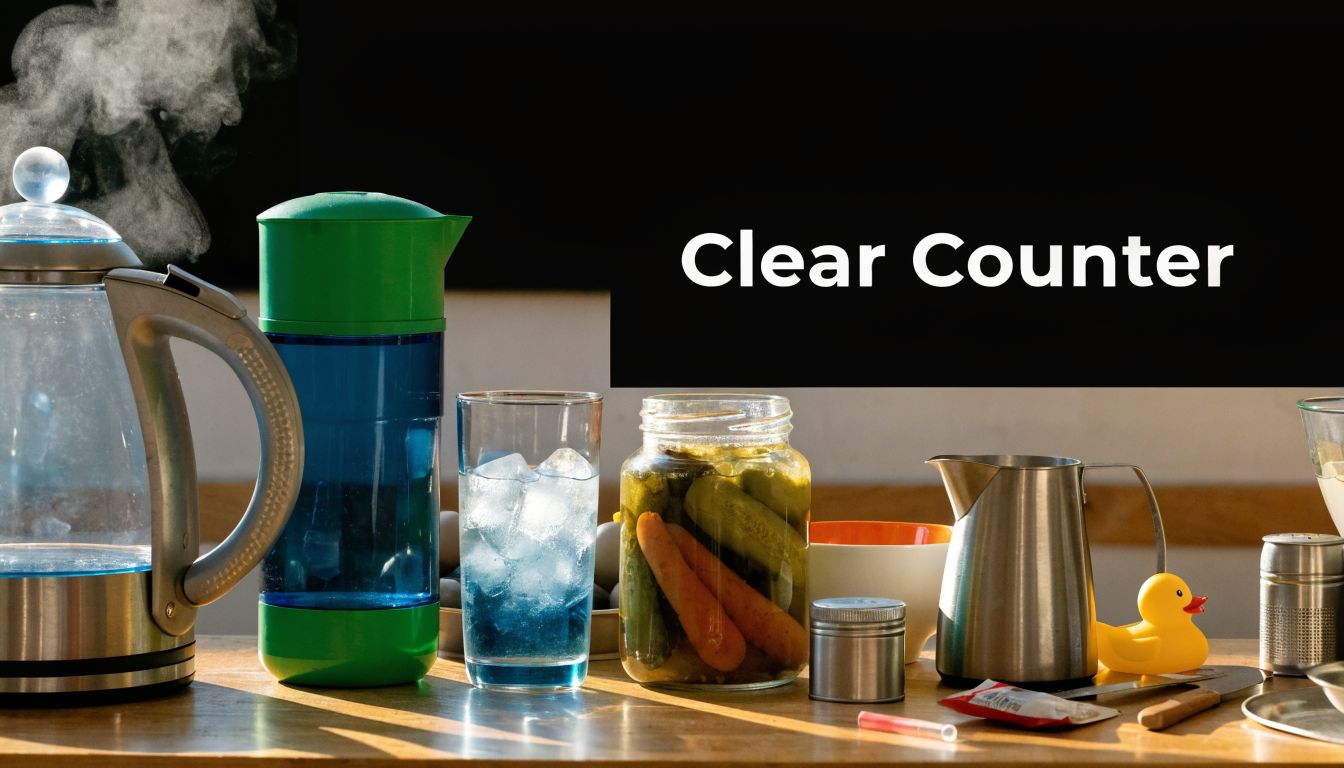
If your kitchen bench is doing too many jobs at once, you're not alone. A lot of Melbourne homes and office kitchens end up with the same line-up: kettle near the wall, filter jug in the fridge or on the counter, maybe a separate bottle filler, and not much clear space left for actual food prep.
That’s usually the point where people start looking at a 3 way mixer tap kitchen setup. They want one tap that handles the daily basics without turning the sink area into a hardware display. They also want filtered drinking water without adding another little tap beside the main mixer.
The practical question isn’t just “what is a 3 way tap?” It’s whether it will work with your under-sink system, your water pressure, your benchtop, and Melbourne water conditions. That’s where people often get mixed up, especially if they already have or want an instant boiling or chilled water unit.
The End of the Cluttered Kitchen Bench
A typical example goes like this. You boil the kettle for tea, refill a bottle from a filter jug, then move the jug so you can rinse vegetables at the sink. In an office kitchen, it’s worse. Staff queue for the kettle, someone leaves the jug empty, and the bench ends up crowded all day.
A 3 way mixer tap kitchen setup fixes that in one move. You get hot, cold, and filtered water from a single fixture. No second filter tap on the benchtop. No separate spout fighting for room around the sink. The whole area feels simpler because it is simpler.
Why people switch
The appeal isn't only appearance. It’s daily convenience.
- One fixture, less bench clutter means more room for prep, coffee gear, lunchboxes, or office mugs.
- Filtered water on demand makes it easier to fill bottles, saucepans, and pet bowls straight from the sink.
- A cleaner look matters in renovated kitchens, compact apartments, and workplace kitchens where every fitting is visible.
In Australia, the format has been around for a long time. The 3-way kitchen mixer tap was introduced locally in the 1970s, and pairing 3-way taps with efficient boiling systems can cut household energy use by up to 30%, or 250 kWh per year per household, according to Ring Hot Water’s guide to 3-way kitchen mixer taps.
Practical rule: If your bench is crowded because you’re trying to solve drinking water, boiling water, and normal sink use with separate appliances, a 3-way tap usually solves the layout problem first and the convenience problem second.
For homes that also want cold filtered water ready for drinking, some people pair the tap with an under-sink chiller rather than relying on jugs in the fridge. If that’s the direction you’re considering, it helps to understand how an under-sink water chiller works in a kitchen setup.
Understanding How a 3-Way Mixer Tap Works
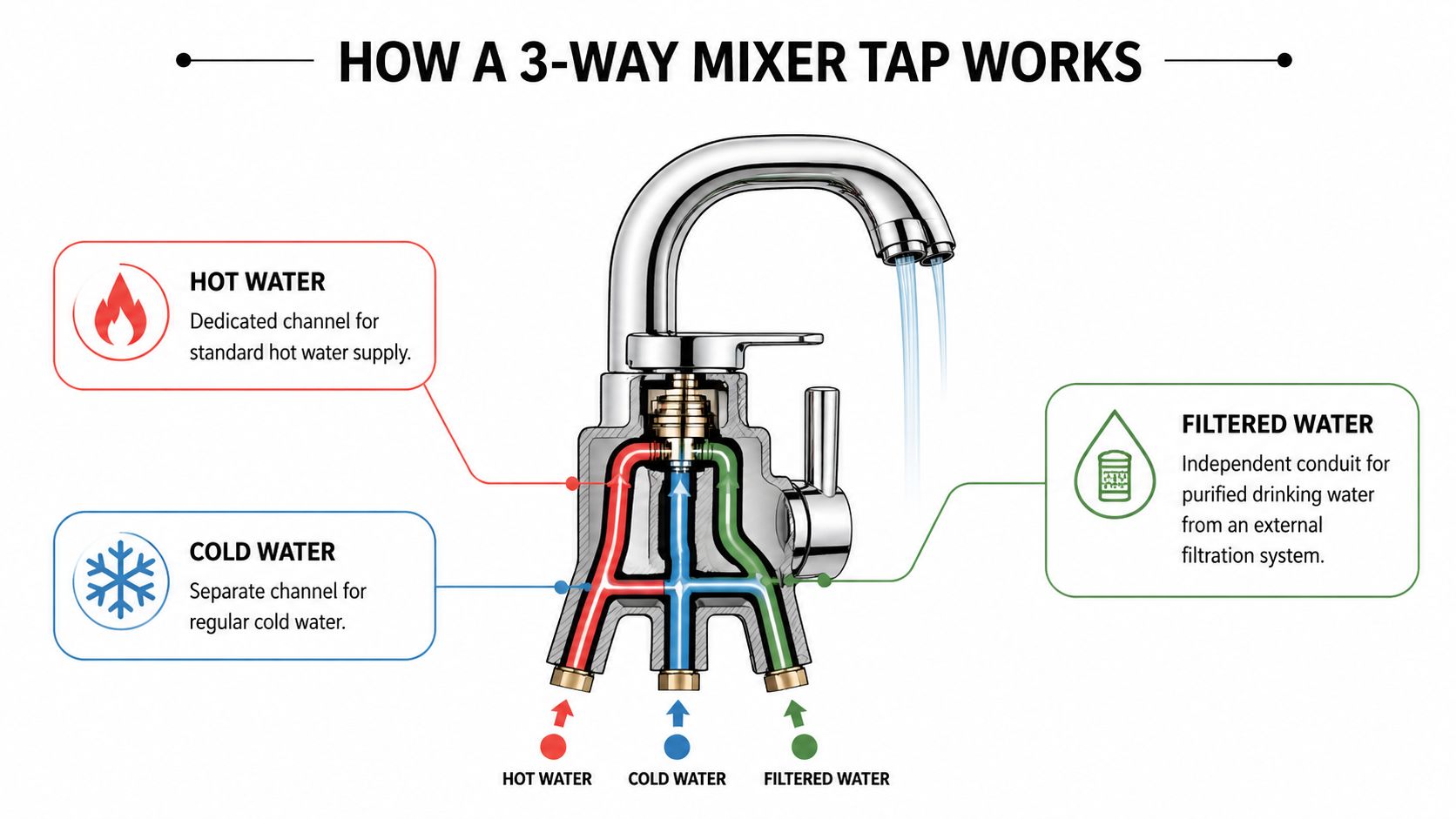
The simplest way to understand a 3-way tap is to think of it as a three-lane water path inside one tap body. From the outside, it looks like one tap. Inside, the water travels through separate channels.
One lane carries standard hot water. Another carries standard cold water. The third carries filtered water from your under-sink filtration system. That separation matters because your drinking water line isn’t meant to mix with unfiltered hot or cold water before it leaves the spout.
The controls are separate for a reason
Most 3-way taps have one control for normal mains hot and cold water, and a separate lever or handle for filtered water. That isn’t a styling gimmick. It tells you which water path you’re using.
When you wash dishes, rinse a pan, or fill the sink, you use the normal mixer control. When you fill a glass or saucepan for drinking and cooking, you use the filtered water control. The tap body keeps those functions in one place while the internal waterways stay independent.
That’s also why these taps make more sense than they first appear. People often assume one spout means all the water must be blending together inside. In a proper 3-way design, it doesn’t.
What the certifications and specs actually mean
Homeowners often see product specs and tune out. Fair enough. But a few details are worth understanding because they affect fit, safety, and lifespan.
Certified 3-way taps made for Australian use can be built to WaterMark Standard AS/NZS 3718 and NSF/ANSI 61. They’re designed for supply pressures from 150-1000 kPa, with 500 kPa noted as optimal, and they fit standard 35-40mm bench holes. Certified models also use ceramic disc valve technology capable of exceeding 500,000 cycles, while separate internal waterways reduce the risk of bacterial ingress into the filtered line by up to 99%, according to Pure Water Systems’ product specifications for a 3-way mixer tap.
Here’s what that means in plain language:
- WaterMark and NSF compliance means the tap is built for local plumbing expectations and suitable materials.
- 150-1000 kPa operating range tells you the tap can handle normal Australian supply conditions, though the wider system still needs to be matched correctly.
- 35-40mm bench hole fit matters if you’re replacing an existing mixer and want to avoid drilling.
- Ceramic disc valves are the reason modern taps feel smooth and tend to stay drip-free longer than older washer-style taps.
A good 3-way tap should feel like a normal kitchen mixer in use. If it feels fiddly, drips early, or delivers odd flow behaviour, the issue is often installation quality or system compatibility, not the idea of the tap itself.
Where confusion starts
The biggest misunderstanding is that all filtered water setups are the same. They’re not.
A basic under-sink carbon filter feeding a 3-way tap is one setup. A reverse osmosis system is another. Add an instant boiling unit or chilled module and the planning changes again. Hose size, pressure control, warranty conditions, and fittings all start to matter.
If you’re considering filtered water together with on-demand hot or chilled water, it helps to first look at how an instant boiling and chilled water tap setup differs from a standard filtered-only arrangement.
3-Way Tap vs Standard Mixer The Key Differences
A standard mixer tap does one job well. It blends mains hot and cold water for washing, rinsing, and general sink use. If you want filtered drinking water as well, you usually add something else. That “something else” is where the comparison becomes useful.
For most households and office kitchens, the choice isn’t just standard mixer versus 3-way. It’s one of these:
- Keep a standard mixer tap and use no built-in filtration.
- Keep a standard mixer and add a separate filter tap.
- Replace the existing tap with a 3-way mixer tap.
Tap Comparison Standard vs. 3-Way Mixer
| Feature | Standard Mixer Tap | 3-Way Mixer Tap |
|---|---|---|
| Main function | Hot and cold mains water only | Hot, cold, and filtered water from one fixture |
| Benchtop appearance | Clean if no filter tap is added, but often paired with jugs or appliances | Clean single-tap look with no separate filter spout |
| Filtered drinking water | Not built in | Built in through a dedicated filtered line |
| Sink hole use | Uses existing mixer hole | Usually uses the existing mixer hole |
| Installation outcome | Simple tap replacement if staying basic | More involved because a filtered line must also be connected |
| Daily convenience | Fine for washing and rinsing | Better suited to homes and offices that use filtered water constantly |
| Best fit | Homes that don’t need integrated filtration | Kitchens wanting fewer fixtures and more functionality |
That table covers the short version. In practice, the decision usually comes down to how you use the sink every day.
Where a standard mixer still makes sense
A standard mixer is still the right choice in some kitchens. If you already have a separate drinking water point that works well, or you don’t want integrated filtration, there’s nothing wrong with keeping things simple.
It also suits utility rooms, laundries, or back-of-house areas where filtered drinking water isn’t the priority. In those spaces, durability and easy replacement can matter more than consolidation.
Why a 3-way tap usually wins in busy kitchens
If you use filtered water every day, a 3-way tap tends to be easier to live with. You don’t have to reach for a jug, wait for the kettle, or install a second tap that interrupts the sink layout.
The other benefit is visual. Separate filter taps can look like an afterthought unless they match the main mixer properly. A 3-way design looks planned from the start because it is.
Here’s the trade-off in plain terms:
- Lower complexity now often points to a standard mixer.
- Better day-to-day function often points to a 3-way mixer.
- If the sink zone is already crowded, integrated usually feels better than adding another spout.
If you’re renovating, replacing an ageing mixer, or trying to tidy up a small kitchen, it’s usually easier to switch to one integrated tap than to keep stacking add-ons around the sink.
For offices, the argument is even stronger. Staff don’t want to work out which tap does what. One clear fixture with separate controls is easier to use, easier to clean around, and easier to explain to new staff.
Pairing Taps with Boiling and Chilled Water Systems
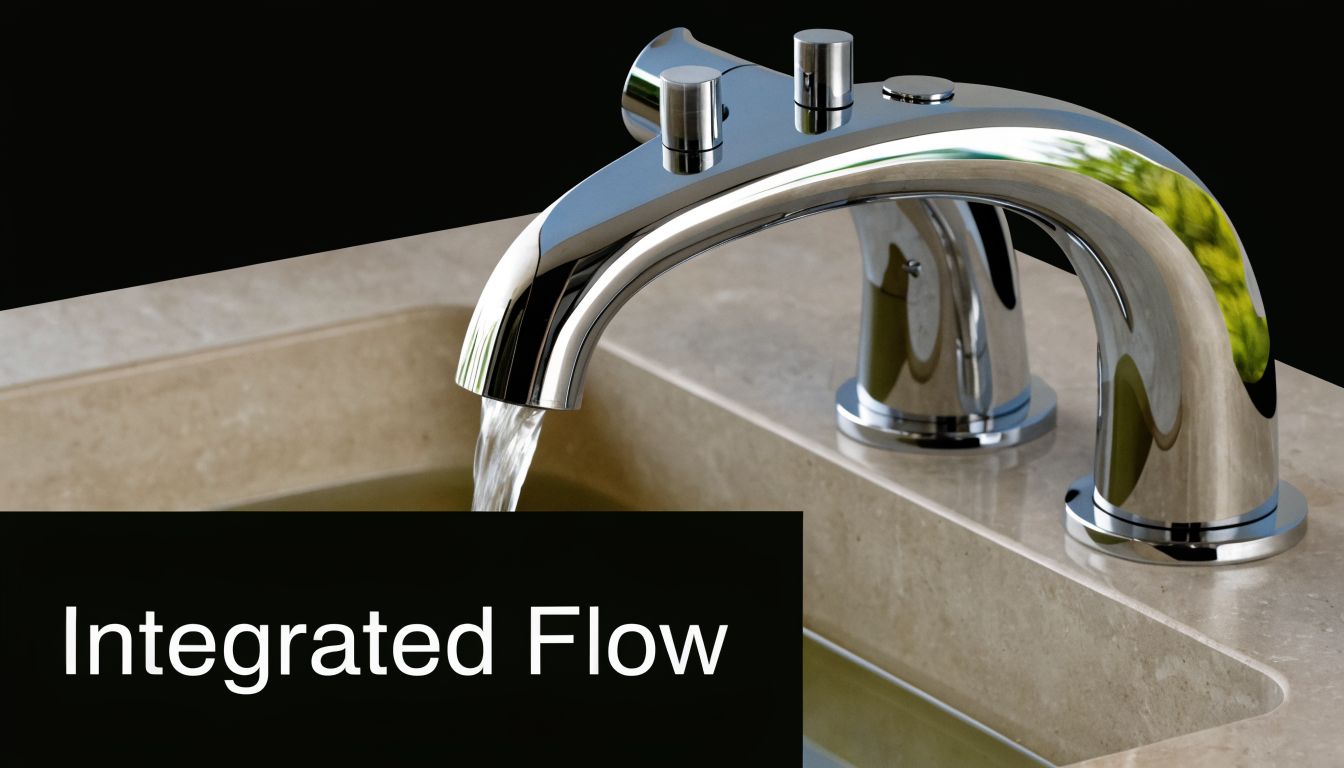
Many online guides tend to be vague. They’ll tell you a 3-way tap can work with filtration, then stop there. In Melbourne homes and offices, that’s only half the story because plenty of kitchens also have an under-sink boiling unit, a chilled module, or both.
That combination can work well. It can also cause avoidable problems if the tap, pressure, and fittings aren’t matched properly.
Not every 3-way tap suits every under-sink unit
A common assumption is that any 3-way tap can be connected to any boiling or chilled system. That’s the mistake.
Boiling units, filtered cold lines, chilled units, and standard mixer bodies don’t all operate the same way. Some systems have their own pressure requirements. Some need specific adapters. Some brands are strict about hose types and connection methods because they’re protecting the unit and the warranty.
A 2025 Master Plumbers Victoria survey found 65% of Melbourne homeowners prefer boiling water dispensers over kettles. The same verified data notes a 22% higher failure rate in hybrid setups due to pressure mismatches, such as 150kPa systems vs. 500kPa taps, and incorrect fittings, which is why professional installation matters for compliance with AS/NZS 4020. That data is referenced in the YouTube research note on 3-way tap compatibility and hybrid setup failures.
The practical issues that cause trouble
The failures usually come from a few repeat problems.
- Pressure mismatch. The tap might be fine on normal mains pressure, but the connected under-sink boiling system may operate very differently.
- Wrong fittings. Hybrid systems often need the correct adapters, including John Guest style connections or flexible hose transitions that suit the unit.
- Cross-connection mistakes. A filtered cold line, a boiling outlet, and standard hot/cold lines must stay clearly separated.
- Warranty problems. If a unit is installed outside manufacturer requirements, the hardware supplier may reject a claim later.
That’s why planning matters more than the tap brochure. The brochure tells you what the tap can do on its own. It doesn’t tell you whether your whole system will behave properly once connected under one sink.
A simple way to think about compatibility
Use this quick check before buying anything:
| Question | Why it matters |
|---|---|
| Do you already have a boiling or chilled unit? | Existing units may dictate hose type, pressure control, and connection layout. |
| Is the tap only for filtered cold water, or part of a bigger system? | Filter-only setups are usually simpler than hybrid installations. |
| Do you know your available space under the sink? | Chillers, filters, and boiling tanks all compete for cabinet room. |
| Are the fittings and valves compatible? | The wrong connection method can create leaks, poor flow, or service issues. |
A short demonstration can help if you’re trying to picture how these systems come together in practice.
Melbourne examples where extra care is worth it
In older suburbs with mixed plumbing history, you’ll often find kitchens that have had multiple upgrades over time. New stone benchtop. Old stop tap. Later-added filtration. Then someone wants instant boiling water. On paper, it sounds straightforward. Under the sink, it can be crowded and inconsistent.
Office kitchens have their own version of the same problem. Facility managers often want one clean tap on the bench and a hidden system below. That’s sensible, but the installation still has to account for service access, filter changes, and safe line separation.
If you’re buying parts or planning a fit-out, providers such as Ring Hot Water supply under-sink boiling and chilled units, 3-way tap accessories, valves, hoses, and John Guest fittings for these kinds of combinations. The important part isn’t the label on the box. It’s choosing a setup where the tap and the under-sink equipment belong together.
A neat tap above the bench doesn’t mean the system below the bench is neat. Most long-term problems start underneath, not at the spout.
Installation and Long-Term Maintenance Guide
A 3-way tap isn’t difficult to understand once you see the line layout, but installation still needs care. The tap body may fit the bench neatly, yet the performance depends on what happens underneath. That includes the shut-off points, the hose routing, the filter connections, and the condition of the water supply.
If you’re in Melbourne, maintenance matters just as much as installation. Harder water and scale-prone conditions can turn a tidy new setup into a sticky, restricted, or drippy tap if nobody services it properly.
Before the tap goes in
Start with the physical basics.
- Check the bench hole size. Many 3-way taps suit a standard 35-40mm bench hole, so replacement is often straightforward when you’re removing an existing mixer.
- Confirm the under-sink layout. You need room for the filter, hoses, and any boiling or chilled hardware.
- Identify each water line clearly. Hot, cold, and filtered connections must not be guessed on the fly.
- Inspect the isolation points. If the shut-off hardware is old, stiff, or inaccessible, replace or upgrade it before the new tap is commissioned.
If you’re checking or replacing isolation hardware as part of the work, this guide to a kitchen shut-off valve and when to replace it is a useful starting point.
What a careful install looks like
A proper installation tends to follow this order:
- Turn off and test the supply.
- Remove the old mixer and clean the mounting surface.
- Seat the new tap correctly so the body is stable and aligned.
- Connect the mains hot and cold lines.
- Connect the filtered water line to the correct dedicated inlet.
- Flush and test the system before normal use.
That last step matters. A tap can look perfect and still be wrong underneath if the filtered line is crossed, the hose is kinked, or the pressure behaviour is unstable.
Don’t judge the job by the finish plate alone. Check the controls, the filtered flow, and the cabinet layout while the installer is still on site.
The maintenance side most people miss
With new Victorian EPA mandates for limescale resistance in high-TDS areas like Melbourne, where water hardness is cited at an average 250mg/L, regular maintenance matters. Verified data also notes that unmaintained taps see 40% more clogging issues, and standard brass bodies can corrode, contributing to a 30% rise in complaints without proper care or DZR-rated materials, according to the Lilium Faucet product note on 3-way tap maintenance and hard water issues.
In practical terms, that means you should treat your 3-way tap as part of a small water system, not just a fitting.
Here’s what I tell homeowners and office managers to keep an eye on:
- Filtered flow slows down. Often a sign the filter cartridge is due, the line is restricted, or scale is building at the outlet.
- The filtered lever feels stiff. Hard water deposits can start affecting smooth movement.
- Water pattern looks uneven. Aerator or outlet fouling is common in scale-prone areas.
- Discolouration or surface deterioration appears around the base. Material choice and local water conditions both matter here.
For minor dripping or diagnosis of worn components, broad maintenance advice like All Well's advice on fixing a tap can help you understand the basics before deciding whether the issue is a simple service item or part of a bigger under-sink problem.
A sensible ongoing routine
You don’t need an elaborate checklist. You do need consistency.
- Wipe the tap dry regularly if you’re in a scale-prone area.
- Replace filter cartridges on schedule according to the system manufacturer.
- Inspect hoses and fittings during filter changes so you catch issues early.
- Descale gently where appropriate and only with methods suitable for the finish and connected system.
That routine matters in homes around Yarraville, Footscray, Sunshine, and similar areas where water conditions can be tougher on fittings over time.
How to Choose the Right 3-Way Mixer Tap
A good 3-way tap should match your kitchen in two ways. It needs to suit the look of the room, and it needs to suit the way you use the sink.
People often focus on finish first. Chrome or matte black. Round or square. That’s understandable, but function should come first. If the spout shape is awkward for your sink, or the tap body doesn’t suit your filtration or under-sink layout, the nice finish won’t save it.
Pick the shape around sink use
The right spout depends on what happens at your sink every day.
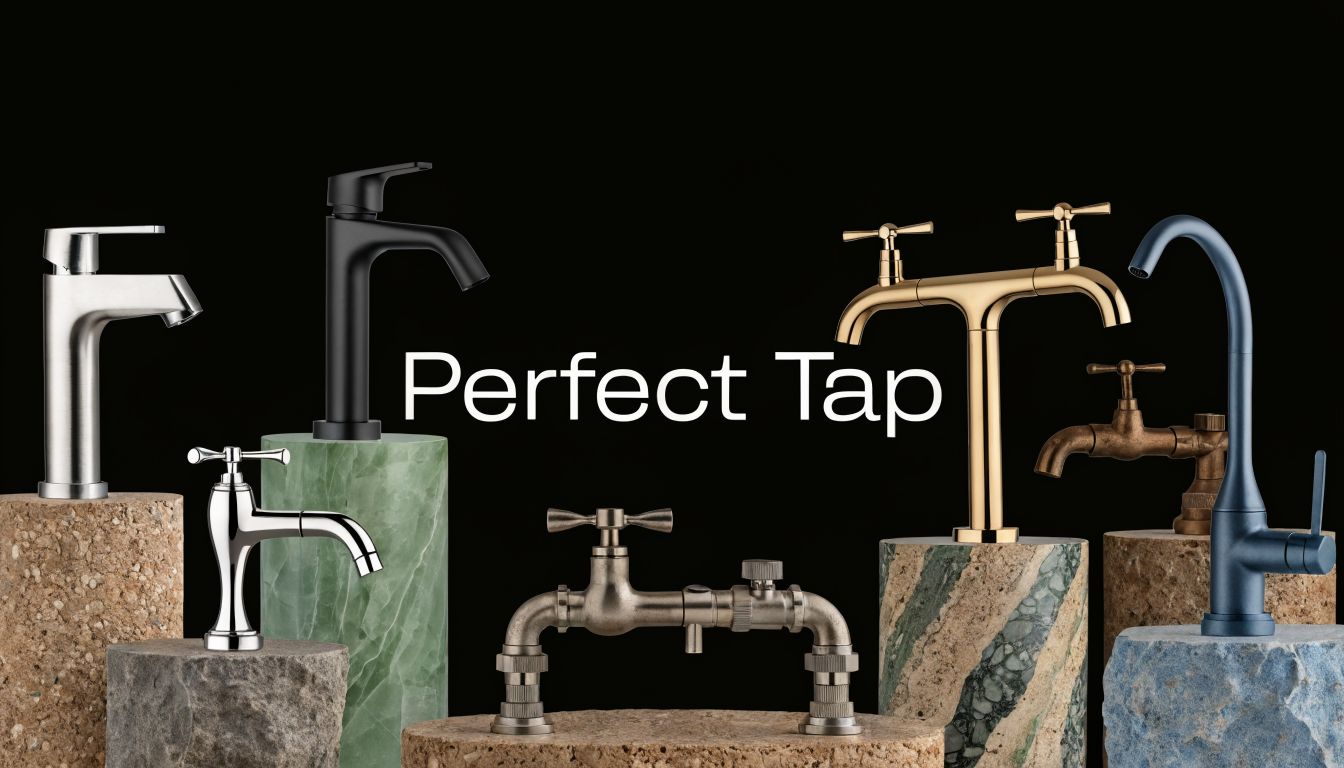
A gooseneck shape gives you more vertical clearance. That’s helpful for filling tall drink bottles, rinsing large stock pots, and handling office kitchen jugs. It suits many family kitchens because it feels open and forgiving.
A square-neck or more angular style works when the kitchen design is modern and the sink area is mostly used for standard prep and cleaning. It can look very sharp, but make sure the reach and height still suit your basin.
A pull-out spout can be useful where flexibility matters, such as compact kitchens, utility setups, and some caravan or RV applications. But moving parts always deserve extra thought, especially if the water is hard or the tap will get heavy use.
Finish and materials matter more in Melbourne
Melbourne water conditions make finish choice more than a style decision. Polished chrome is popular because it’s familiar, easy to match with appliances, and generally easy to clean. In harder water conditions, it also tends to show whether the owner is wiping the tap down or not.
Material choice matters too. If a product is intended for filtered drinking water and regular daily use, you want a tap designed for local conditions and compliant installation. Don’t buy on appearance alone.
A few buying checks help avoid regret:
- Certification first. Look for Australian compliance and suitability for local plumbing use.
- Bench fit second. Confirm the tap matches your existing hole and sink layout.
- System compatibility third. If you’re pairing with filtration, boiling, or chilled water gear, confirm the whole setup, not just the tap body.
- Finish last. Once the tap passes the practical tests, choose the style you want.
A stylish tap that doesn’t suit the cabinet space, hose layout, or water conditions becomes a service job waiting to happen.
Match the tap to the setting
Different spaces need different priorities.
| Setting | What usually matters most |
|---|---|
| Family kitchen | Easy cleaning, bottle filling, enough spout clearance |
| Office kitchen | Simple controls, durability, tidy bench presentation |
| Hospitality prep area | Reliability, flow behaviour, serviceability |
| Caravan or RV | Compact design, suitable fittings, movement tolerance |
If you’re comparing products and trying to budget the wider kitchen upgrade, it can help to keep an eye on broader Cashback Australia kitchen appliance deals for related purchases such as chillers, dispensers, or benchtop appliances. The value isn’t in chasing every sale. It’s in planning the whole sink zone sensibly so the tap, filtration, and supporting gear work together.
Frequently Asked Questions About 3-Way Mixer Taps
Can I install a 3-way mixer tap myself
Some handy homeowners can physically mount a tap body and connect hoses, but that doesn’t mean the finished setup will be correct. If the system includes filtration only, the job is simpler. If it includes boiling or chilled water equipment, line separation, pressure compatibility, and compliance become much more important.
For that reason, many people use a licensed plumber, especially when the tap is connected to under-sink treatment or dispensing equipment.
What’s the difference between a 3-way tap and a 4-way tap
A 3-way tap usually delivers hot mains water, cold mains water, and filtered water. A 4-way tap usually adds another dedicated water type, often something like chilled filtered water or sparkling water depending on the system design.
The key point is that more functions don’t automatically mean a better choice. The right option depends on what equipment sits under your sink and how much complexity you want.
Are 3-way mixer taps suitable for caravans and RVs
They can be, but the answer depends on the available space, the water system design, and the fittings. Compact setups often need more planning, not less. Hose routing is tighter, access is worse, and movement matters more.
In mobile applications, make sure the chosen tap suits the pressure and connection style of the water system you’re using.
How often do I need to change the water filter
That depends on the filter type, water quality, and how much water the household or workplace uses. Follow the cartridge schedule set by the filter manufacturer. Don’t wait until the water tastes odd or the flow drops away badly.
If your area has harder water or heavier sediment load, service intervals can feel shorter because the whole system is working harder.
Will filtered water from a 3-way tap taste the same as water from a separate filter tap
If both taps are connected to the same filtration system and installed correctly, the water quality should come from the filtration system itself. The tap’s job is to deliver that filtered water through its dedicated line without mixing it with the standard mains paths.
Is a 3-way mixer tap worth it in an office kitchen
For many offices, yes. It simplifies the bench, gives staff a clear filtered water point, and can pair neatly with under-sink drinking water equipment. It also removes the clutter of jugs and reduces confusion around who last filled the kettle or the filter jug.
If you’re planning a 3-way tap, or trying to make one work properly with filtration, boiling, or chilled water equipment, Ring Hot Water provides product guidance, spare parts, and Melbourne installation and repair support for under-sink water systems.

