
Boiling Hot Water
Your Guide to Under Sink Hot Water Systems in Melbourne
Mar
Ever found yourself staring at the kettle, willing it to boil faster? We’ve all been there. But what if you could have boiling water, right from the tap, the second you wanted it? That’s the simple promise of an under sink hot water system.
Think of it as a personal, on-demand hot water service tucked away neatly in your kitchen cabinet. It gets rid of the daily ritual of filling, boiling, and waiting, giving you back precious time and freeing up your kitchen bench.
So, What Exactly Is an Under Sink Hot Water System?
Explore our range and get expert advice today.
These systems are quickly becoming a must-have in modern homes and offices, completely changing how we use our kitchens. It’s like the jump from dial-up internet to high-speed fibre—once you experience the immediate convenience, you’ll wonder how you ever managed without it.
The Core Components
At their heart, these systems are surprisingly straightforward. They’re made up of two key parts that work together seamlessly:
- A small, insulated tank: This compact unit, usually about the size of a toaster, lives in the cabinet under your sink. It heats a small amount of water and keeps it perfectly hot, ready for the moment you need it.
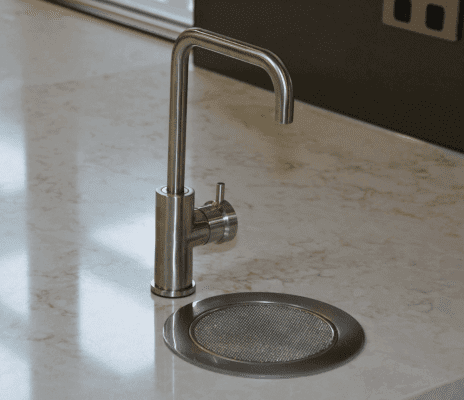
- A dedicated dispenser tap: Installed right on your benchtop, this specialised tap is designed to safely deliver boiling or near-boiling water instantly.
The growing demand for these units is no surprise. Australia’s water heater market is booming, with projections showing it could grow from USD 641.5 million in 2023 to USD 959.8 million by 2034. It’s clear that Aussies are embracing more efficient and convenient ways to get hot water, as you can see from the latest trends in the Australian water heater market.
The real game-changer is the instant gratification. Whether you’re making a quick coffee, blanching veggies, or sterilising baby bottles, the wait time is just… gone. It streamlines dozens of little tasks you do every single day.
Kettle vs. Instant Hot Water
To really get a feel for the upgrade, it helps to put an instant hot water system side-by-side with the old-faithful electric kettle. They both get the job done, but how they do it is worlds apart.
Here’s a quick look at how they stack up.
Under Sink System vs Traditional Kettle at a Glance
| Feature | Under Sink Hot Water System | Traditional Electric Kettle |
|---|---|---|
| Speed | Instantaneous delivery | 2-4 minutes of waiting per boil |
| Convenience | Always ready, on demand | Requires filling, boiling, and waiting |
| Energy Use | Highly efficient; keeps water hot | Often re-boiled, wasting energy and water |
| Space | Frees up valuable bench space | Clutters the countertop |
While the kettle has served us well, it’s clear that an integrated system offers a level of convenience and efficiency that’s hard to beat in a busy, modern kitchen.
Finding the Right Type for Your Home or Office

Choosing an under-sink hot water system isn’t a one-size-fits-all job. The right unit for a busy Melbourne office breakroom is a world away from what you’d need in a quiet home kitchen or a small workshop sink. It really all comes down to what you need it to do.
Think of it a bit like buying a car. You wouldn’t buy a ute just for a tight city commute, and a sports car is no good for a trip to the hardware store. In the same way, under-sink hot water systems are built for different jobs. Let’s break down the main types to help you find your perfect fit.
All-in-One Boiling, Chilled and Sparkling Taps
These are the Rolls-Royce of the instant water world. Often called ‘all-in-one’ or ‘5-in-1’ taps, these systems are the ultimate kitchen upgrade, serving up a full menu of water options from one seriously slick tap.
They essentially turn your sink into a complete beverage station. With just a twist or a touch, you can get:
- Instant filtered boiling water for tea, coffee, and cooking.
- Perfectly chilled filtered water for a refreshing drink.
- Fizzy sparkling water on demand, so you can ditch the bottled stuff.
- Standard hot and cold water for all your usual washing up.
It’s no surprise these are a top pick for modern kitchens and high-end offices where style and convenience are key. They clear the clutter by replacing your kettle, water filter jug, and soda machine in one fell swoop. The “command centre” under the sink houses the boiler, chiller, carbonator, and filter, making it a true all-in-one appliance. If you want to see a popular model, check out our kitchen sink hot water heater.
Dedicated Under Sink Boilers
If your main mission is an endless supply of boiling water for drinks and cooking, a dedicated under-sink boiler is your workhorse. These units are built to do one thing and do it exceptionally well: deliver instant boiling water, every single time.
They’re simpler and often a bit more budget-friendly than the all-in-one systems. You get a compact, insulated boiler tank under the sink that’s plumbed into its own dedicated boiling water tap on the benchtop.
A dedicated boiler is the perfect fix for a busy house full of tea and coffee lovers or an office that wants to put an end to the kettle queue during breaks. It’s all about pure, no-fuss boiling water convenience.
These systems are incredibly popular in commercial spaces like staff rooms, canteens, and community halls. They are built tough for high-volume use, ensuring everyone gets a hot drink without the wait. The focus here is squarely on performance and reliability.
Compact Instant Hot Water Heaters
Let’s be honest, you don’t always need water at a roaring 100°C. Sometimes, you just want reliably hot water for washing your hands or rinsing dishes, especially if the sink is a long way from your main hot water unit. This is exactly where compact instant hot water heaters come in.
These small, point-of-use units heat water to a hot—but not boiling—temperature, usually somewhere between 50°C to 75°C. They aren’t meant for making a cuppa, but they’re brilliant for:
- Bathrooms or powder rooms: Giving you immediate warm water for handwashing and saving all that water you’d normally run down the drain while waiting for it to heat up.
- Workshops or garages: Perfect for washing greasy hands or tools without having to run a long, expensive plumbing line.
- Small office kitchenettes or second sinks where boiling water isn’t really needed.
These heaters are smart, efficient, and cost-effective. They only heat water on demand and stop the heat loss that happens in long pipe runs, solving that annoying “cold water sandwich” problem for good. They deliver instant comfort and practicality, right where you need it most.
How to Choose the Right Under Sink System
Picking the right under-sink hot water system isn’t just about grabbing a familiar brand off the shelf. To make a smart choice, you need to think about your specific needs, what’s already under your sink, and of course, your budget. It’s about finding the perfect fit for your home or office.
We’ll walk you through the key things to consider, from getting the tank size right to understanding the plumbing involved. This will help you find a system that feels like it was made for your Melbourne kitchen.
Sizing Up Your Capacity Needs
First things first: how much hot water do you actually need on tap? It’s a bit like choosing a coffee pot – too small and someone’s always left waiting, but too big and you’re just wasting power. The capacity is all about the tank size, which dictates how many cups of boiling water you can get in one go.
Think about who will be using it and when. For a family of two, a smaller 2.5-litre tank is usually plenty for the daily tea and coffee ritual. But for a busy office of 20 people, you’ll want something much larger, probably 5 litres or more, to get through the morning rush without the unit having to constantly reheat.
To help you get a clearer picture, we’ve put together this quick guide. It matches tank capacity with some common scenarios you might find in a home or workplace.
Sizing Guide for Under Sink Hot Water Systems
| Environment | Number of Users | Recommended Tank Capacity (Litres) | Common Use Case |
|---|---|---|---|
| Home | 1-4 People | 2.5 Litres | Perfect for family tea, coffee, and light cooking tasks. |
| Small Office | 5-15 People | 3-5 Litres | Handles morning coffee rush and lunchtime instant noodles. |
| Large Office | 15+ People | 5-7.5+ Litres | Ideal for high-traffic breakrooms and commercial kitchens. |
| Hospitality | High Volume | 7.5+ Litres or Multiple Units | Ensures constant supply for cafes, canteens, and event spaces. |
Getting the size right from the start means you’ll have a system that keeps up with demand without wasting energy, striking the perfect balance between convenience and efficiency.
Understanding Plumbing and Electrical Needs
Before you set your heart on a particular model, it’s a good idea to have a peek under your sink. Under sink hot water systems have specific requirements, and not every kitchen cupboard is ready to go straight out of the box.
You’ll need two main things: a nearby power point and access to your cold water line.
For most units, a standard GPO (General Power Outlet) is all that’s required. Just as important, though, is having enough clear space around the tank for proper ventilation to stop it from overheating. It’s not just about squeezing the unit in; it has to operate safely for years to come.
Don’t underestimate the importance of professional installation. It might look simple, but getting a licensed plumber and electrician ensures everything is installed to Australian standards. This protects your warranty and, more importantly, your home from potential leaks or electrical faults.
Integrating Water Filtration for Purity
One of the best perks of a modern under-sink system is that you’re not just getting hot water—you’re getting pure, great-tasting water. Most quality systems come with built-in filtration that tackles common impurities found in our tap water.
These filters are designed to remove:
- Chlorine and unpleasant tastes: Giving you water that is clean and fresh for your tea or coffee.
- Sediment and particles: So you don’t end up with gritty bits in the bottom of your cup.
- Limescale: This helps reduce the mineral build-up that can clog and damage the unit, especially in areas with hard water.
Some of the more advanced systems go even further, removing things like lead and microplastics with sophisticated carbon filters. It essentially turns your kitchen tap into an all-in-one source for healthier, better-tasting water for all your drinks.
Focusing on Energy Efficiency
The upfront cost is one thing, but what about the ongoing running costs? The energy efficiency of under sink hot water systems can vary quite a bit from one model to another. These appliances are a type of electric resistance heater, a very common choice here in Australia.
In fact, electric resistance heaters made up an estimated 42% of water heater sales in Australia in 2021, mostly because they are cheaper to buy initially. The flip side is they can be more expensive to run over their lifetime. You can read more on this in a report on domestic hot water in Australia.
To keep your power bills from creeping up, look for models with smart, energy-saving features. Many of the newer units have programmable timers or “sleep modes” that power down the heating element when it’s not being used, like overnight or on weekends. It’s a small feature, but it makes a huge difference by ensuring you’re not wasting electricity keeping water boiling when no one’s around.
Demystifying Installation and Long-Term Maintenance
So, you’ve weighed up the options and picked the perfect system for your kitchen. What happens next? Getting from the box to a fully working tap is actually pretty straightforward, but there are a few key things to know. The most important one? Professional installation isn’t just a good idea—it’s essential.
While a bit of DIY can be tempting, installing under-sink hot water systems involves both plumbing and electrical work. Here in Melbourne, that means it must be done by licensed professionals to comply with strict Australian standards. A proper install is your best bet for safety, it protects your manufacturer’s warranty, and it saves you from the headache of costly leaks or electrical faults down the track.
The Installation Process Explained
A typical professional installation is a clean and surprisingly quick job. A licensed plumber will start by connecting the unit to your cold water supply, usually fitting an isolation valve at the same time so future servicing is a breeze. They’ll then mount the specialised tap on your benchtop, which might mean drilling a new, precise hole.
After that, an electrician steps in to make sure the unit is safely wired up to a suitable power point. It’s a team effort that ensures everything works together as it should, giving you complete peace of mind.
This handy decision tree shows how factors like capacity and filtration needs help narrow down the perfect system for your home or office.
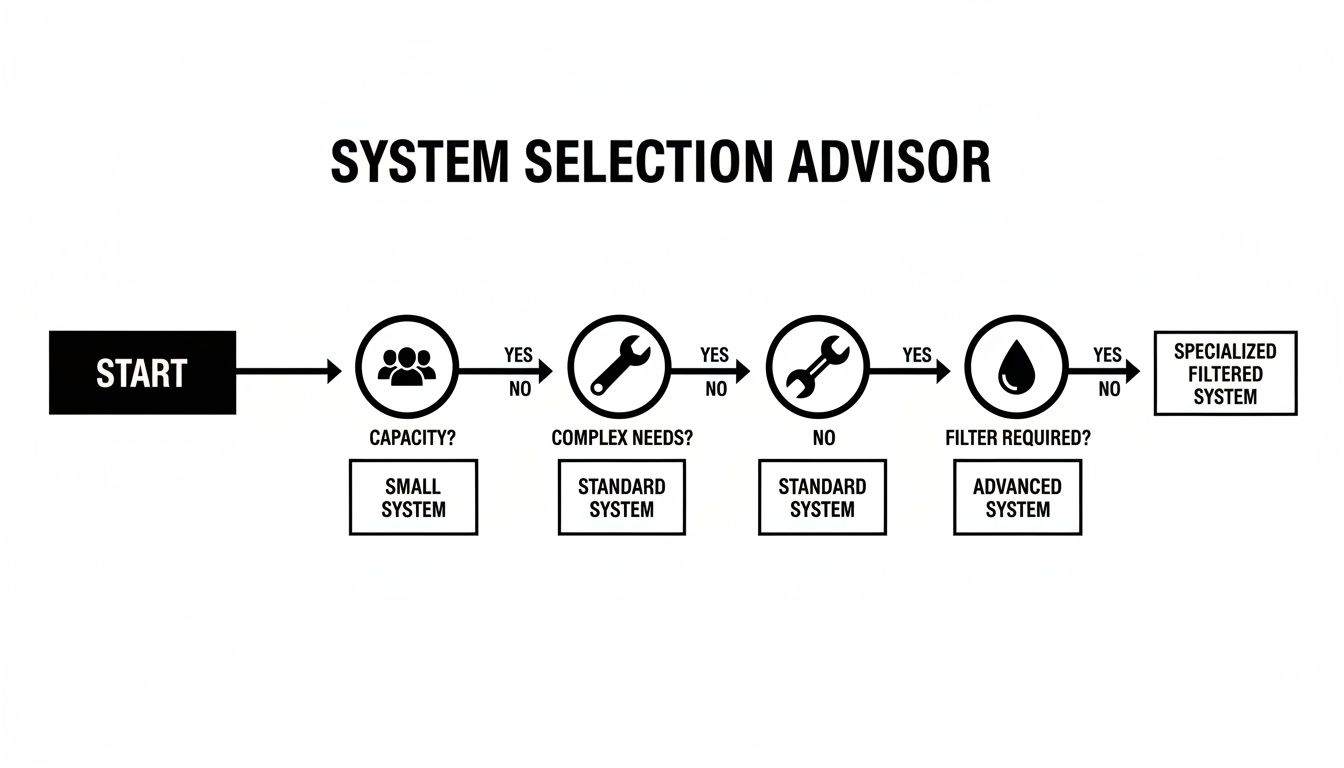
As the chart shows, your specific needs—from how much water you use to how pure you want it—will point you directly to the right choice.
Keeping Your System in Top Shape
The good news is that long-term maintenance is incredibly simple. It’s less like servicing a car and more like changing a filter in your fridge. A couple of simple, periodic tasks are all it takes to keep everything running smoothly for years.
The secret to a long-lasting under-sink hot water system isn’t complex repairs; it’s consistent, simple care. Regular filter changes and occasional descaling are the two most powerful things you can do to protect your investment.
Your main job will be changing the water filter. Most systems have an indicator light or a recommended schedule, usually every 6 to 12 months, to tell you when it’s time. The changeover is usually just a simple twist-and-lock job that takes less than a minute. If you’re in an area with hard water, you might also need to descale the unit occasionally to stop mineral build-up from slowing things down.
Common Spare Parts and When to Replace Them
Over time, a few parts might need replacing due to normal wear and tear. Knowing what to look for can save you from being caught without that instant cuppa.
- Water Filters: This is the most common part you’ll replace. A drop in water flow or a funny taste is a dead giveaway it’s time for a new one, even if the indicator light isn’t on yet.
- Valves: Parts like the pressure limiting valve or the main shut-off valve control water flow. If you spot any drips, leaks, or notice the water pressure is off, a valve could be the culprit. You can learn more about how a main shut off valve works and its importance in our guide.
- Thermostats: This little device controls the water temperature. If your water isn’t getting hot enough or seems way too hot, the thermostat might need to be checked or replaced by a qualified technician.
These systems are built to last. By understanding the straightforward installation and simple upkeep, you can feel confident that you’re investing in a convenient appliance that’s designed for the long haul.
Understanding the True Costs and Safety Features
When you’re thinking about upgrading to an under-sink hot water system, one of the first things that comes to mind is the cost. It’s a fair question. To make a confident choice for your Melbourne home or office, you need the full picture—from the initial price tag to running costs and, just as importantly, the safety features.
Let’s get straight to the numbers. The total cost isn’t just the price on the box; it’s a mix of the unit itself and the professional installation that gets it running perfectly.
Breaking Down the Initial Investment
The upfront cost for under sink hot water systems really depends on what you want them to do. A simple, compact heater that just gives you hot water (not boiling) might only set you back a few hundred dollars. On the other end of the scale, a premium all-in-one tap that delivers boiling, chilled, and even sparkling water is a bigger investment, often running into the thousands.
Here in Melbourne, you’ll also need to factor in professional installation by a licenced plumber and electrician. This usually adds a few hundred dollars to the final bill, but it’s a non-negotiable part of the process. It guarantees your system is installed safely, meets all Australian standards, and keeps your warranty intact.
Analysing Long-Term Running Costs
Beyond the purchase price, it’s smart to think about what it will cost to run day-to-day. The big question is always: is it cheaper than boiling the kettle? While an under-sink unit does use a little bit of power to keep its water hot, it’s often far more efficient over the long haul.
Just think about how many times you flick the switch on the kettle, often with more water than you need. A 2022 study found the average Aussie household boils their kettle a staggering 2,500 times per year. All that wasted energy from re-boiling half-full kettles and constantly overfilling them really adds up.
An under-sink system heats only the water it needs to and keeps it in a highly insulated tank. This completely avoids that cycle of wasted energy. While it draws a small amount of power continuously, for a busy family or an office, this is usually much more economical than the constant, high-power spikes of a kettle.
Prioritising Safety in Your Kitchen
You can’t put a price on peace of mind, and modern under-sink systems are designed with safety as the absolute top priority. After all, having water on tap at boiling point requires some serious safeguards, especially in homes with kids or in a busy workplace.
Manufacturers have built in several clever features to prevent accidents:
- Child-Safety Locks: Most boiling water taps have a spring-loaded or two-step system to turn them on. This makes it almost impossible for little hands to accidentally dispense boiling water.
- Cool-Touch Dispensers: Even when pouring water at 100°C, the outside of the tap itself stays cool. This gets rid of the risk of nasty contact burns—a real danger with a hot kettle.
- Pressure Limiting Valves: This is a vital bit of kit installed on the water line. It protects the unit from any sudden spikes in your mains water pressure, ensuring the whole system operates safely and preventing leaks. If you want to dig deeper, our guide explains the critical role of a pressure limiting valve in any hot water setup.
By choosing a quality system with these features, you’re getting more than just convenience. You’re adding a layer of proven safety to your kitchen that a simple kettle just can’t offer, making it a responsible choice for any home or office.
When to Call an Expert for Your Melbourne System
While it’s tempting to roll up your sleeves and tackle a bit of DIY maintenance, some jobs are best left to the pros. Knowing when to put the tools down and call in an expert is the key to protecting your under-sink hot water system and ensuring it runs safely for years to come.
Think of it this way: getting an expert involved right from the start is like getting a tailor to measure you for a suit. A specialist can take a look at your kitchen, get a feel for your family or office’s daily needs, and point you to the perfect system. It’s the best way to make sure you get a unit that can keep up, without spending money on features you’ll never use.
Professional Installation and Repairs
When it comes to the actual installation, calling a professional is non-negotiable. It’s the only way to guarantee every plumbing and electrical connection is spot-on with Australia’s strict safety standards—a must for both your peace of mind and your warranty. For any tricky setups, repairs, or anything involving your home’s wiring and pipes, experienced local plumbing companies are always the smartest call.
And when something eventually does go wrong? An expert is your fastest path back to a hot cuppa. They have the right tools and years of experience to quickly get to the bottom of common headaches like:
- Annoying drips from the tap or the unit itself
- The water refusing to heat up at all
- Water temperatures that are all over the place
- Strange gurgling or humming noises from the tank
Trying to fix complex electrical or plumbing faults yourself can easily turn a small issue into a major disaster, from serious water damage to electrical hazards. It’s just not worth the risk. A technician gets your instant hot water flowing again safely, giving you one less thing to worry about.
Ultimately, a trusted Melbourne specialist like Ring Hot Water is your partner for the life of the system. We’re here to give you honest advice on choosing the right unit, handle the compliant installation anywhere in the city, and provide quick, reliable repairs using genuine parts. From day one to year ten, calling an expert is what keeps your system a brilliant and convenient part of your home or workplace.
A Few Common Questions
Even after getting all the details, it’s natural to have a few practical questions pop up. We get calls about these systems all the time from folks in Melbourne, so we’ve put together answers to the most common queries we hear.
Let’s clear up those last few lingering doubts before you make a decision.
How Much Space Do I Really Need Under My Sink?
This is easily the number one question, and the answer is usually: less than you’d think. Most under-sink boiling units are about the size of a small shoebox or a large toaster. As a general rule, you’ll want about 30cm of width, 30cm of depth, and 35cm of height with plenty of room for air to circulate.
Of course, it’s always best to grab a tape measure and check your actual cabinet space first. Don’t forget to factor in any existing plumbing, like the S-bend for your sink or a waste disposal unit that might be in the way.
Can I Install One of These Systems Myself?
While a simple water filter might be a straightforward DIY job, under-sink hot water systems are a different story. In Australia, any installation that involves a fixed electrical appliance and a direct connection to your mains water supply has to be done by a licenced plumber and, in some cases, a licenced electrician.
This isn’t just bureaucratic red tape; it’s about safety. A professional install guarantees your system is compliant, free from potential leaks or electrical hazards, and, just as importantly, keeps your manufacturer’s warranty intact. It’s a small price to pay for total peace of mind.
How Often Do I Need to Change the Water Filter?
For most systems, you’ll be looking at changing the filter every 6 to 12 months. The exact schedule really depends on how much you use the tap and the quality of your local water. If you’re in an area with hard water, you might find you need to change it a bit more often to keep scale from building up.
The good news is that many modern units have a handy indicator light that flashes when it’s time for a new one. The process itself is usually a simple twist-and-lock job that takes less than a minute.
Are These Systems Noisy When Heating Water?
One of the nicest things about these units is just how quiet they are. When the tank is actively heating water, you might hear a very faint, low hum—think of a quiet, modern fridge. For the rest of the day, it’s completely silent.
You definitely won’t get that loud rumbling you hear when a kettle is boiling. The insulated tank does a great job of containing any noise, so your kitchen stays nice and peaceful.
Ready to enjoy the convenience of instant hot water in your Melbourne home or office? At Ring Hot Water, we supply, install, and service the best under sink hot water systems from leading brands. Explore our range and get expert advice today.
