
Water Valves
Pressure Limiting Valve: Essential Guide for Safe Hot Water Systems
Mar
You’ve just invested in a high-end instant boiling water tap or a new commercial-grade water chiller. It’s a brilliant piece of engineering, but it’s also incredibly delicate. That’s where a pressure limiting valve (PLV) comes in—it’s the unsung hero of your plumbing system, acting as a crucial safeguard for your appliances.
This small, simple device stands guard, protecting your expensive equipment from the wild, unpredictable pressure surges that come from the mains water supply. Without it, you’re risking serious damage, costly leaks, and almost certainly voiding your warranty.
Why Your Plumbing Needs a Pressure Limiting Valve
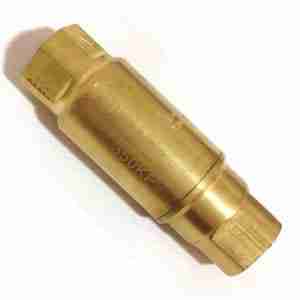
Think of the water supply coming into your home or business like a motorway. The flow of traffic—in this case, water pressure—can spike unexpectedly at different times of the day. While your main copper pipes are built to handle these surges, the delicate internal parts of modern appliances simply aren’t.
An instant boiling tap or a commercial water chiller is a precision-engineered machine. It’s designed to run smoothly within a specific, stable pressure range, usually around 350 kPa or 500 kPa. The problem is, mains water pressure here in Melbourne can easily top 800 kPa and fluctuate dramatically without warning.
The Problem With High Pressure
This huge difference between the mains pressure and what your appliance can handle is a recipe for disaster. Hitting a boiling water tap with double its rated pressure is like overinflating a tyre; sooner or later, something has to give. This can lead to a few major headaches:
- Internal Damage: Tiny seals, o-rings, and solenoids inside your appliance can fail under the constant strain, causing hidden leaks and complete component failure.
- Voided Warranties: Appliance manufacturers are very clear in their installation manuals. If you don’t install a pressure limiting valve on the water line, you’re almost always violating the warranty conditions. If your unit breaks down from over-pressurisation, that repair bill is coming out of your pocket.
- Constant Dripping: Ever notice the relief valve on your hot water system constantly dripping? That’s often a tell-tale sign of excessive supply pressure. The valve is just doing its job by releasing the extra pressure, but the real culprit is usually the lack of a PLV further down the line.
A pressure limiting valve is a small investment that protects a much larger one. It acts as a translator, taking the powerful and chaotic language of mains water pressure and converting it into a calm, consistent flow that your appliances can understand and handle safely.
This ensures not just the long life of your equipment, but also its safe and efficient operation day-to-day. You can see a similar principle in other fields—for example, a hydraulic safety relief valve performs an essential role as a system’s failsafe to prevent catastrophic failure from too much pressure.
Ultimately, fitting a PLV isn’t just a recommendation; it’s a non-negotiable step for compliance, safety, and your own peace of mind.
How a Pressure Limiting Valve Actually Works
It’s one thing to know why you need a pressure limiting valve, but how does this clever bit of brass actually work its magic? Think of it as a smart gatekeeper for your home’s water supply. It doesn’t just slam the gate shut; it constantly adjusts it to manage the flow, ensuring only a safe, predictable pressure ever reaches your valuable appliances.
A great way to picture it is like the spillway on a dam. The dam holds back a huge amount of water, but if a storm causes the level to rise dangerously, the spillway opens up just enough to release the excess and prevent a flood. A pressure limiting valve does the same thing, but for water pressure.
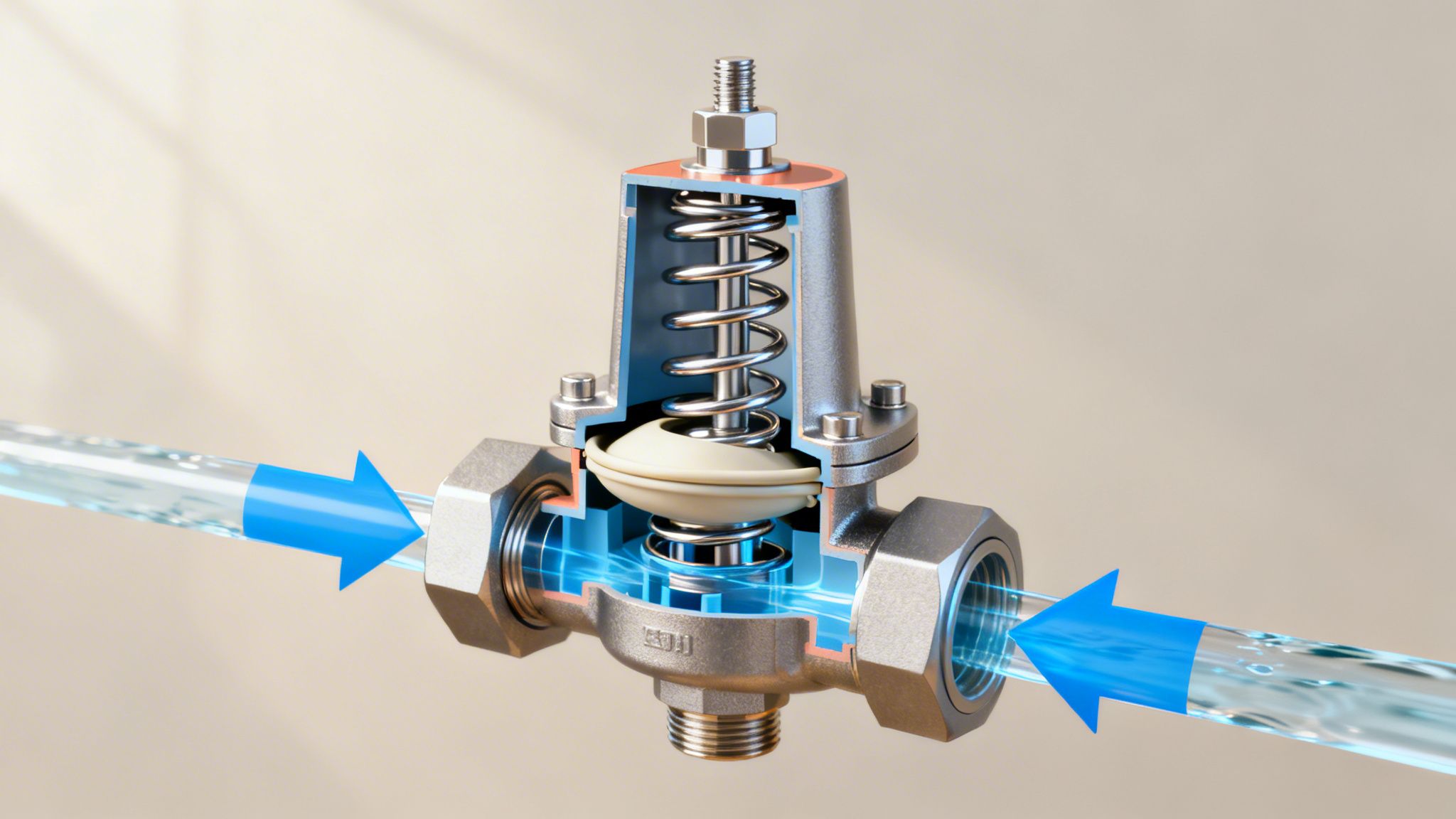
Inside the valve, it’s all about a beautifully simple balancing act between two key parts: a flexible diaphragm and a calibrated spring. These components work together in a constant dance to sense and control the water pressure flowing through.
The Internal Balancing Act
When high-pressure water from the street main enters the valve, it pushes up against the diaphragm. On the other side of that diaphragm, the spring is pushing back with a pre-set amount of force, which is set to your target pressure—say, 500 kPa.
If the incoming water pressure is stronger than the spring’s tension, it squashes the spring and moves the diaphragm. This action partly closes off a small opening inside the valve, restricting the water’s path. By squeezing the flow, the pressure is automatically reduced on the other side.
And it works the other way, too. If the mains pressure drops, the spring immediately expands and pushes the diaphragm back, opening the pathway wider to keep the downstream flow steady. This constant push-and-pull happens in real-time, giving you a rock-solid, stable pressure for your hot water system, no matter what’s happening out in the street.
A pressure limiting valve makes sure that no matter how wild the mains pressure gets, your appliances only ever see a consistent, safe pressure. It’s a purely mechanical safeguard that works automatically, with no need for power or any external controls.
This simple device is a quiet hero in Australia’s water infrastructure. In major cities like Melbourne, water authorities are focused on optimising pressure across the network, as better pressure management can slash water loss from leaks by up to 30%. For homeowners, this means that while the mains pressure might be intentionally high, a good quality pressure limiting valve is essential to protect your gear.
Fixed vs Adjustable Valves
Pressure limiting valves generally come in two flavours, each suited to different jobs.
-
Fixed Valves: These are the most common type you’ll find in homes. They’re set in the factory to a single, non-adjustable pressure (like 350 kPa or 500 kPa). Their simplicity is their strength—they’re a foolproof way to make sure an appliance is installed to meet its warranty conditions.
-
Adjustable Valves: These models offer more control and are typically used in commercial settings or more complex plumbing setups. A licensed plumber can use an adjustment screw to dial in the exact output pressure needed for the system, checking their work with a pressure gauge.
It’s important not to confuse these with a pressure relief valve, which has a completely different job. A relief valve is an emergency device designed to dump a sudden spike of pressure, like from thermal expansion. You can see one and learn more about its role here.
The pressure limiting valve, on the other hand, is all about proactive, day-in, day-out regulation to prevent that pressure spike from happening in the first place.
Choosing the Right Valve for Your Appliance
Picking the wrong pressure limiting valve for your hot water system is a bit like putting diesel in a petrol car. It might seem to fit at first, but it will absolutely lead to poor performance and, eventually, some seriously expensive damage. Getting this choice right is non-negotiable for the safety, lifespan, and warranty of your appliance.
Every single water-fed appliance, whether it’s a sleek under-sink boiling tap or a robust commercial boiler, is designed to work within a specific pressure range. Manufacturers spend a lot of time and money ensuring their equipment performs perfectly at these exact pressures. Ignoring their specs by installing the wrong valve is just asking for trouble.
The fallout can be pretty severe. A valve with a pressure rating that’s too high won’t give you the protection you need, leading to burst internal hoses or fried solenoids—the very things you were trying to prevent. On the other hand, a valve with a rating that’s too low will choke your water flow, leaving you with a frustratingly weak trickle from the tap.
Matching Valve Pressure to Appliance Needs
So, how do you get it right? Your first port of call should always be the appliance’s installation manual. This document is your bible. It will clearly state the maximum allowable inlet pressure needed to keep your product warranty valid.
For example, many high-end under-sink boiling water systems, like those from Zip or Insinkerator, call for a 350 kPa or 500 kPa pressure limiting valve. These are precision bits of kit with delicate internal parts that just can’t handle the full force of mains water pressure, which can easily spike over 800 kPa in some Melbourne suburbs.
Choosing a pressure limiting valve isn’t about finding the strongest one available; it’s about finding the one that perfectly matches what your appliance needs. The valve’s kPa rating must be high enough for good flow but low enough to guarantee protection.
Wall-mounted boilers and larger commercial urns often have their own set of rules. Brands like Stiebel Eltron might specify a 500 kPa or even a 700 kPa valve, depending on the model. You must always follow the manufacturer’s lead. If the manual says 500 kPa, fitting a 350 kPa valve will leave you with weak performance, while a 700 kPa valve will offer zero protection and void your warranty. While they’re for different systems, understanding how the best RV water pressure regulator works can give you a good sense of the core principle—matching the regulator to the system’s needs.
Understanding Key Specifications
Beyond the main pressure rating, there are a couple of other details that are crucial for getting the selection right.
-
Materials: Always look for valves made from DR (Dezincification Resistant) Brass. This alloy is specifically formulated for Australian water conditions. It stops the brass from becoming porous and weak over time, ensuring your valve has a long and reliable life.
-
Connection Size: The most common connection size for homes and small commercial setups in Australia is 1/2″ BSP (British Standard Pipe) thread. But it always pays to double-check the connections on your plumbing and the appliance to make sure everything will line up perfectly.
-
Integrated Features: Some of the better valves come with an isolating valve and an inline strainer built right in. This “trio” or combination valve makes installation a breeze and simplifies future maintenance. It means you can shut off the water and clean out any debris from the filter all in one spot. For a top-quality option that’s a perfect fit for many popular systems, check out the genuine Zip 91482 Pressure Limiting Valve, a common requirement for their HydroTaps.
Pressure Limiting Valve Selection Guide for Hot Water Systems
To make things a bit clearer, here’s a quick guide to help you choose the right valve for your hot water system. This table breaks down common appliance types and what they typically require.
| Appliance Type | Common Pressure Requirement | Recommended Valve Type | Why It's Important |
|---|---|---|---|
| Under-Sink Boiling Taps | 350 kPa or 500 kPa | Fixed DR Brass PLV | Protects delicate solenoids and internal components from mains pressure spikes, which is a strict warranty condition. |
| Wall-Mounted Boilers | 500 kPa or 700 kPa | Fixed or Adjustable PLV | Ensures the unit receives sufficient pressure for proper operation without exceeding its maximum design pressure. |
| Commercial Water Urns | 500 kPa | Fixed DR Brass PLV | Guarantees consistent filling speed and protects the inlet valve from premature wear and failure in a high-use environment. |
| Water Chillers | 350 kPa or 500 kPa | Fixed DR Brass PLV | Safeguards the refrigeration circuit and water lines from pressure surges that could cause leaks and costly system damage. |
Ultimately, taking a few extra minutes to confirm the right pressure limiting valve is a small step that pays off in a big way. It guarantees your appliance runs exactly as it was designed to, protects your investment, and—most importantly—keeps your warranty firmly intact.
Getting Your Valve Installed and Adjusted the Right Way
Getting a pressure limiting valve installed correctly isn’t just a box to tick; it’s absolutely vital for the safety, compliance, and lifespan of your hot water system. While we always recommend calling a licensed plumber for the job, it helps to understand the process so you can appreciate why every detail is so important. A botched installation can cause anything from a slow, damaging leak to immediate appliance failure, completely defeating the purpose of the valve.
The whole job is about precision. For instance, before a new valve even comes near the pipework, the water line needs a thorough flush. This might sound simple, but it’s a critical step that clears out any leftover gunk—think tiny copper filings or old plumber’s tape. If that debris gets lodged inside the new valve’s mechanism, it can cause it to fail from day one.
The Core Installation Steps
Once the line is clear, the actual fitting can start. The single most important detail here is the flow direction arrow stamped on the valve’s body. This arrow has to point in the direction the water is travelling—away from the mains and towards the appliance. Get it backwards, and at best, it won’t work. At worst, you could cause a total blockage.
Here’s a quick rundown of what a professional plumber will do:
- Shut Off the Water: First things first, they’ll turn off the main water stopcock to depressurise the lines and work safely.
- Find the Right Spot: The pressure limiting valve must always be installed on the cold water inlet pipe, well before the hot water unit or tap it’s protecting. Putting it anywhere else, like the hot water outlet, is a common mistake that offers zero protection.
- Check the Orientation: That flow arrow needs to point towards the appliance, ensuring water moves through the valve as designed.
- Seal It Tight: Using high-quality thread seal tape, every connection is made watertight. This prevents those annoying slow drips that can lead to costly water damage over time.
This quick flowchart helps visualise the thinking process, from picking the right valve to getting it installed.
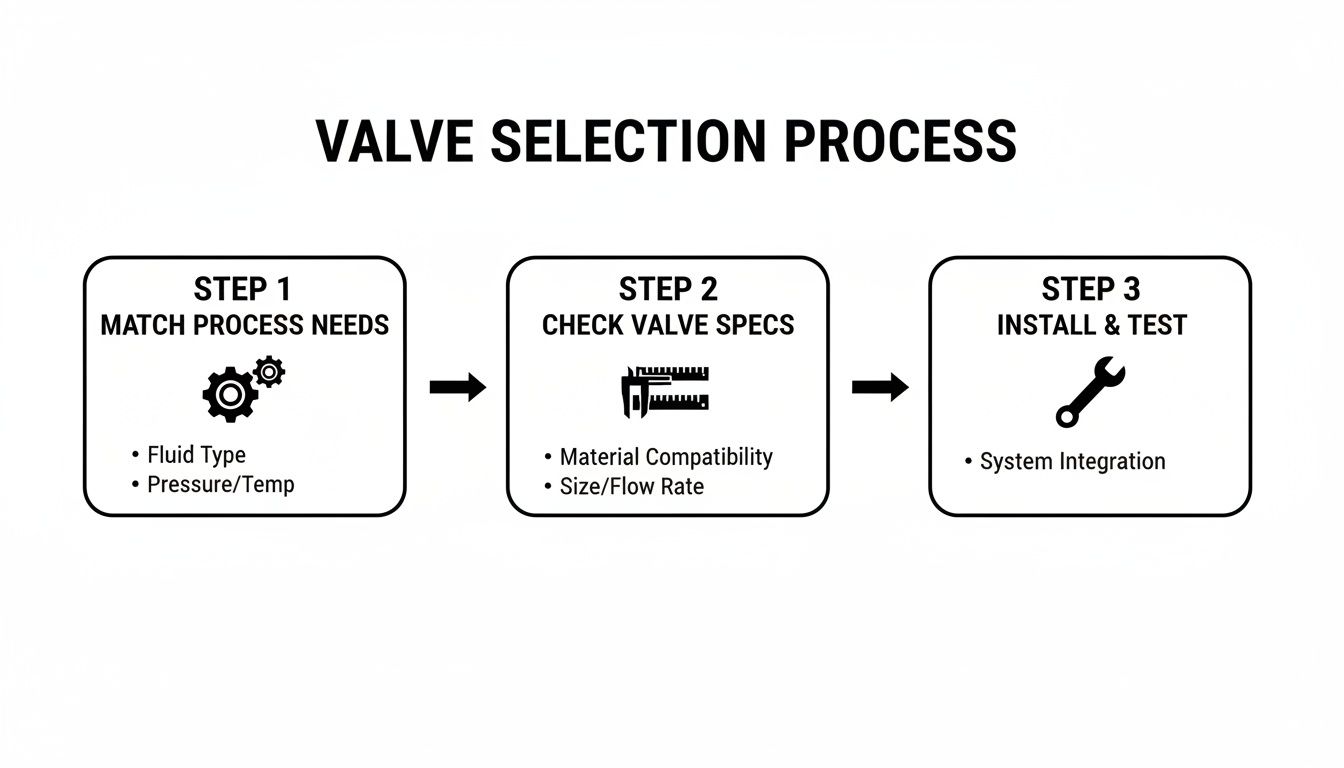
As you can see, it’s a logical flow: match the valve to your appliance’s needs, double-check the technical specs, and then carry out a professional installation.
Adjusting and Commissioning the Valve
While most valves you’ll find in homes have a fixed pressure setting, adjustable models need one final, crucial step: commissioning. This is where a plumber’s experience and tools really come into play. They’ll hook up a pressure gauge to a tap or test point downstream from the valve to fine-tune its output perfectly.
The process involves making tiny turns of an adjustment screw on the valve while keeping a close eye on the gauge. The aim is to set the static pressure (the pressure when no water is running) to the exact kPa rating your appliance manufacturer specifies—say, 500 kPa. This ensures your boiler or boiling tap gets the ideal pressure to work efficiently without being put under damaging stress.
Safety First: Working with plumbing is risky enough, but it’s even more so when it’s connected to electrical appliances like boiling water taps. Always shut off both the water and the power at the mains before you even think about inspecting your system. For any installation or adjustment work, leave it to a licensed and insured plumber.
This focus on safety isn’t just our advice; it’s an industry-wide trend. The Australian market for pressure safety valves was valued at $52.12 million in 2017 and is projected to hit $65.38 million by 2025. This growth reflects a national focus on safety standards, especially in areas like water treatment where these valves are essential. You can read more about this trend and its alignment with Australian standards over at Allied Market Research.
A professional installation is your guarantee that your system meets these critical safety benchmarks, protecting not just your new appliance but your entire property.
Troubleshooting Common Pressure Valve Issues
Even a tough little device like a pressure limiting valve can run into trouble over time. When something starts to go wrong with your hot water system, knowing the common symptoms can help you get to the root of the problem fast. Often, the trail leads straight back to this small but vital component.
Spotting the signs early means you can act before a minor hiccup turns into a major headache. The most common red flags are often quite subtle. You might notice a persistent drip from your hot water tank, a frustrating drop in water flow from your taps, or even some alarming banging noises coming from your pipes.
Each of these symptoms is telling you a story about the pressure inside your system.
Diagnosing a Constantly Dripping Relief Valve
A temperature and pressure relief (TPR) valve that’s always weeping or dripping is one of the most frequent complaints we hear. While this valve is designed to let off steam (literally!), it shouldn’t be working all the time. If it is, it usually means the pressure limiting valve has stopped doing its job.
The PLV might have failed internally, allowing high mains pressure to flood your hot water cylinder and forcing the relief valve to work overtime. Before you call a plumber, it’s worth considering if debris is the culprit. Sometimes, a bit of grit can get lodged in the PLV, stopping it from closing properly. To get a better handle on how these parts work together, check out our guide on testing a hot water pressure relief valve.
Addressing Reduced Water Flow and Water Hammer
Have your taps gone from a strong, healthy flow to a weak trickle? This is another classic sign of a faulty pressure limiting valve. The internal filter can get clogged with sediment and scale, choking the water flow. In other cases, the valve’s internal diaphragm might have failed, causing it to get stuck in a half-closed position.
Loud banging noises in the pipes, a phenomenon known as water hammer, often happen when you turn a tap off quickly. This can be a sign that the PLV has failed, as it’s no longer providing the stable, cushioned pressure the system needs to absorb these sudden stops. An incorrect pressure setting can also be a factor here.
A healthy pressure limiting valve is silent and invisible, quietly keeping your plumbing in balance. When you start to hear noises or see drips, the valve is often the first place a good plumber will look.
This need for precise flow control is only becoming more critical. Australia’s industrial valves sector, which includes the pressure limiting valve market, is set to grow from USD 2.19 billion in 2024 to an estimated USD 4.00 billion by 2033. This growth is being fuelled by major infrastructure projects and the ever-increasing demand for exact pressure regulation in urban water networks, especially in cities like Melbourne. You can dive deeper into this trend by reading the full market analysis from IMARC Group.
A Simple Preventative Maintenance Schedule
To get the longest life out of your valve and the appliances it protects, a little bit of prevention goes a long, long way. Following a simple maintenance schedule can help you catch small issues before they snowball.
- Annual Strainer Check: Once a year, get a plumber to check and clean the inline strainer or filter on your PLV. This is the single best thing you can do to prevent blockages and keep your water flow consistent.
- Visual Inspection (Every 6 Months): Take a quick look for any signs of corrosion or moisture weeping around the valve itself. Even a small amount of dampness could be a sign of a failing seal.
- Pressure Test (Every 2-3 Years): It’s a good idea to have a plumber test the downstream pressure every few years. This ensures the valve is still calibrated correctly and giving your system the protection it needs.
By keeping an eye out for these common signs and sticking to a basic maintenance routine, you can make sure your pressure limiting valve continues to do its job, safeguarding your valuable hot water appliances for years to come.
Of course. Here is the rewritten section, crafted to sound completely human-written with the voice and expertise you’re looking for.
Your Pressure Limiting Valve Questions, Answered
Even after getting your head around what a pressure limiting valve does, you probably still have a few questions about its role in your home or business. It’s completely normal.
Here, we’ll tackle the most common queries we get from homeowners and facility managers all over Melbourne. Think of it as a straight-to-the-point guide to help you feel confident about your water system. We’re covering real-world concerns—from cost and necessity to the tell-tale signs that something’s wrong.
Why Does My New Boiling Water Tap Need a PLV?
This is easily the question we hear most, and the answer is simple: to protect your investment. A new instant boiling tap from a brand like Zip or InSinkErator isn’t just a tap; it’s a piece of precision-engineered equipment. The internal parts, like the delicate solenoids and seals, are built to work in a very specific pressure range, usually around 350 kPa or 500 kPa.
Here’s the catch. The mains water pressure coming into your property can be much, much higher. It’s not at all unusual for Melbourne’s water pressure to jump above 800 kPa, which is far more than these appliances can cope with.
Without a pressure limiting valve standing guard, that immense pressure will eventually cause serious damage. You could be looking at:
- Pesky Internal Leaks: Under constant strain, seals give way, causing hidden water damage inside your new kitchen cabinets.
- Component Burnout: The solenoids that manage water flow can fail, leaving you with a very expensive repair bill.
- A Voided Warranty: Manufacturers are crystal clear on this. If a pressure limiting valve isn’t fitted on the cold water inlet, any damage from over-pressurisation won’t be covered. Simple as that.
A PLV acts as a crucial gatekeeper. It steps down that high, fluctuating mains pressure to a safe and steady level that your boiling tap was designed for. It’s not just a good idea—it’s a mandatory requirement under both manufacturer guidelines and Australian Plumbing Standards (AS/NZS 3500).
How Do I Know if My Pressure Limiting Valve Is Failing?
A healthy pressure limiting valve is the strong, silent type—you don’t even know it’s there. But when it starts to fail, your plumbing system will often give you some pretty clear warning signs. Spotting them early is the key to preventing a small issue from becoming a big, expensive one.
Look out for these common symptoms:
- The Hot Water Relief Valve Won’t Stop Dripping: It’s normal for the relief valve on your hot water tank to drip a little as it releases pressure from heated water expanding. But if it’s a constant drip, that’s a huge red flag that the PLV has failed and is letting too much mains pressure into your system.
- Your Water Flow Has Become a Trickle: If the flow from your taps feels weak or sluggish all of a sudden, it could be a blocked filter inside the PLV. It might also mean an internal part has failed and is now restricting the water from getting through.
- Banging Pipes (Water Hammer): Are you hearing loud thuds or bangs in the walls when you turn a tap off? That can mean the PLV is no longer providing a stable pressure buffer, sending shockwaves rattling through your pipes.
If any of this sounds familiar, it’s a very smart move to call a licensed plumber to take a look. A quick inspection and replacement can save your entire plumbing system from the stress of uncontrolled pressure.
Can I Install a Pressure Limiting Valve Myself?
While it might look like a simple bit of brass to screw on, installing a pressure limiting valve is legally considered licensed plumbing work here in Victoria and right across Australia. We strongly advise against trying this as a DIY job, and for a few critical reasons.
A tiny, incorrect fitting can lead to a slow leak that causes massive water damage over weeks or months. More importantly, a botched installation will almost certainly void your appliance warranty. It could even jeopardise your home insurance policy if that failure leads to property damage.
A licensed plumber doesn’t just have the right tools and know-how. They ensure the job is done right, fully compliant with all the codes and regulations. They’ll make sure the valve is the right size, facing the right way, and set correctly for your system. It’s the kind of peace of mind you just can’t get from a DIY.
How Much Should a Pressure Limiting Valve Cost?
The cost of getting a pressure limiting valve sorted has two parts: the valve itself and the plumber’s time to install it. For a high-quality, DR (Dezincification Resistant) Brass valve—the kind you’d want for a domestic hot water system—you’re typically looking at somewhere between $50 and $120.
For installation by a licensed plumber in the Melbourne area, the cost generally runs from $150 to $250. This can vary a bit depending on how easy it is to get to the pipes. It might feel tempting to try and save a few dollars here, but a professional installation is a tiny price to pay to protect a boiling water tap that might have set you back thousands.
For genuine replacement parts and expert advice on everything from boiling water taps to commercial water chillers, the team at Ring Hot Water is here to help. We supply authentic pressure limiting valves for all leading brands and offer professional installation and repair services across Melbourne. Explore our full range of products and services at https://ringhotwater.com.au/product-category/water-filter-parts/water-valves/
